Global buyers need more than a long supplier list when selecting drainage supplies. They need products that perform under local weather, soil, traffic, and installation conditions. A channel drain for a pedestrian plaza may differ greatly from a heavy-duty trench drain beside a logistics warehouse. Material quality, load ratings, flow capacity, connection standards, and replacement support all deserve careful review.
Professor David Butler, co-author of Urban Drainage, describes the field as “the management of water in the urban environment.” This principle remains useful when comparing international suppliers. Reliable manufacturers should provide technical drawings, test information, installation guidance, and clear product specifications. They should also explain how their drainage supplies handle intense rainfall, debris, freeze-thaw cycles, or corrosive surroundings. Certifications matter. So does practical experience.
Look closely at the details. A stainless-steel grate should sit firmly. A polymer channel should resist distortion. A modular system should allow simple access for cleaning. Small weaknesses can become expensive site problems. Delivery capability matters too, especially when projects cross borders. Buyers should confirm packaging, lead times, spare parts, and communication arrangements before placing an order.
No supplier is perfect. Some product pages lack useful data. Some claims need independent verification. This guide therefore compares leading drainage supplies suppliers through a practical lens, rather than relying only on marketing language. The strongest choice is not always the cheapest one. It is the supplier offering dependable performance, transparent evidence, and support throughout the project lifecycle.
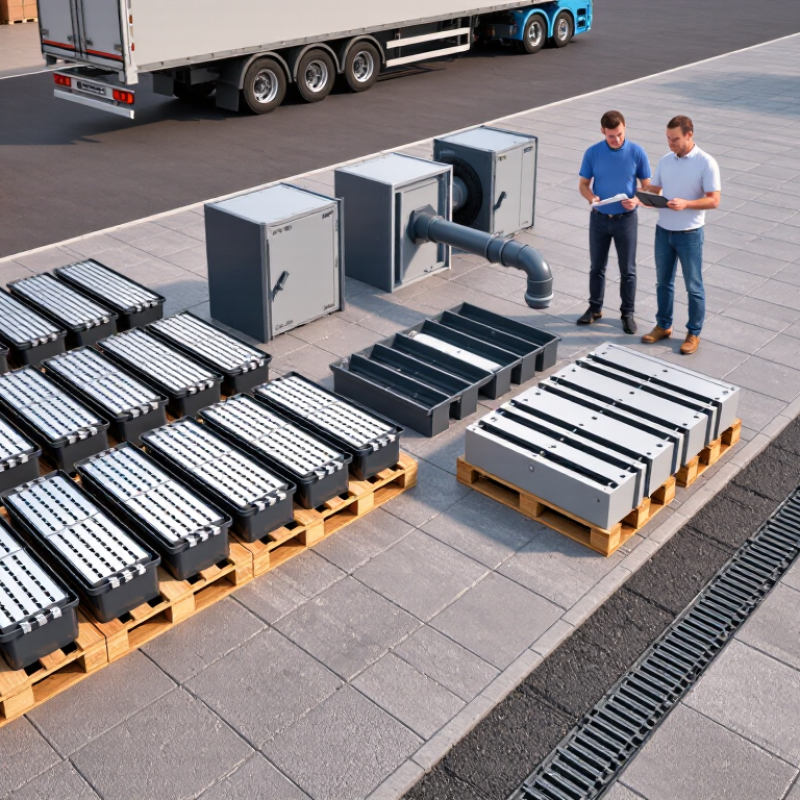
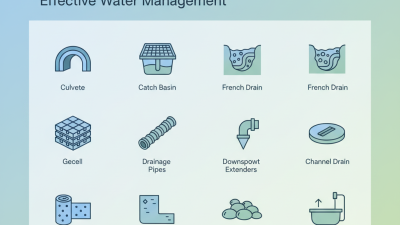
Drainage supplies are engineered products that collect, move, filter, or discharge unwanted water. They protect buildings, roads, farms, tunnels, and landscaped areas from standing water and soil erosion. Common types include channel drains, perforated pipes, catch basins, geotextiles, culverts, inspection chambers, and pumping units. Each type solves a different water problem. A roof outlet cannot replace a buried infiltration system.
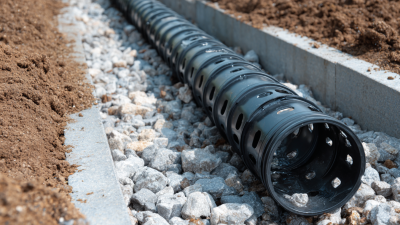
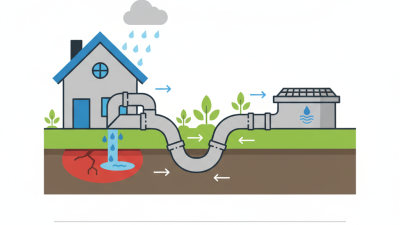
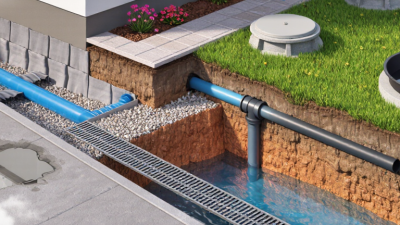
Surface drainage guides rainwater across paved areas through channels, grates, and collection points. Subsurface drainage uses perforated pipes and clean gravel to lower groundwater around foundations or sports fields. Stormwater systems usually combine inlets, pipes, detention tanks, and controlled discharge points.
Agricultural drains need careful spacing because compacted soil slows movement. Small details matter. Wrong slope can leave water trapped.
Global buyers should match supplies with rainfall, soil conditions, traffic loads, temperature, and installation methods. A reliable supplier provides measurable dimensions, material data, load ratings, test records, and clear packing details. For overseas shipments, buyers should confirm corrosion resistance, drainage capacity, connection sizes, and replacement availability. Field projects also expose uncomfortable gaps: drawings may ignore maintenance access, while low-cost grates may deform under heavy vehicles. No specification is perfect. Reviewing failures honestly often improves the next purchase.
Global drainage suppliers now serve projects where urban density, intense rainfall, and aging infrastructure overlap. The United Nations estimates that 68% of the world’s population will live in urban areas by 2050. This trend increases demand for reliable stormwater products, not simply larger pipes.
Major suppliers typically offer HDPE, PVC, and reinforced concrete drainage pipes, with couplers, bends, inspection chambers, and manholes. Surface systems include trench drains, channel grates, catch basins, and oil separators. Geotextiles and geogrids help control soil migration around buried networks. Pump stations support low-lying sites, although pumps add maintenance risks and energy costs. The World Bank reports that about 80% of global wastewater is discharged without adequate treatment, showing why collection and conveyance systems remain critical.
Experienced buyers should compare hydraulic capacity, load class, chemical resistance, installation method, and local standards. A road crossing may require ductile or reinforced solutions, while a landscaped walkway may need lighter polymer channels. The United Nations World Water Development Report also links climate change with more frequent water-related hazards. Product selection must therefore consider overflow routes, debris, and access for cleaning. No catalogue replaces a site survey. That assumption deserves scrutiny. Even strong specifications can fail when outlets are undersized, gradients are inaccurate, or maintenance space is ignored. Supplier documentation should include test results, material certificates, installation guidance, and realistic delivery schedules. Supplier reliability matters as much as product range.
Major drainage products commonly offered by international suppliers, shown by representative nominal size.
The sizes shown are representative common nominal sizes used in drainage applications. Actual product ranges vary by standard, project requirements, and supplier specifications.
For global buyers, evaluating drainage supplies suppliers requires more than comparing catalog prices. Start with manufacturing experience in pipes, channels, fittings, or related systems. Ask how long the supplier has served infrastructure, construction, or agricultural projects. Request material specifications, load ratings, dimensions, and testing records. A dependable supplier should explain production steps clearly, not hide behind general promises.
Inspect quality controls at the factory or through verified third-party reports. Check whether incoming materials, dimensions, sealing performance, and surface finishes are tested consistently. Samples matter. A small connector with rough edges may reveal weak process control. Confirm certifications that apply to your destination market, and verify their authenticity independently. Do not rely only on attractive certificates.
Logistics deserve equal attention. Review production capacity, minimum order quantities, packaging methods, lead times, and replacement procedures. Ask how the supplier handles damaged goods or specification changes. Communication is evidence of reliability. Slow, vague replies before an order may become serious delays later. Compare total landed cost, including inspection, freight, taxes, and possible rework. No supplier is flawless. I would record every concern, even minor ones, and discuss them openly before signing. A supplier that accepts reasonable scrutiny often proves more dependable than one offering the lowest quotation.
Top Drainage Supplies Suppliers for Global Buyers
Global buyers need drainage suppliers that understand more than product catalogs. They need verified dimensions, stable output, export documents, and practical logistics support. Experienced sourcing teams compare pipe diameter, wall thickness, load ratings, and connection tolerances before ordering. A reliable supplier should provide recent test reports, material declarations, factory photos, and traceable batch records. Samples matter. A small fitting mismatch can delay an entire installation.
International logistics requires early planning. Confirm Incoterms, pallet sizes, container loading plans, insurance responsibilities, and destination-port procedures in writing. For long-distance shipments, protective caps and moisture-resistant packaging reduce damage during handling. Suppliers with export experience can explain lead times honestly, including production queues and customs document preparation. Still, estimates are not promises. Weather, port congestion, and inspection holds can change delivery dates.
Quality standards should match the project location and drainage application. Ask for dimensional inspection records, pressure or flow testing where relevant, and independent verification for critical orders. Local requirements may differ, so buyers should confirm standards with qualified engineers and authorities. One weakness remains common: buyers sometimes approve samples without checking installation conditions. A warehouse test cannot imitate every trench, soil type, or seasonal flood. Clear specifications, staged inspections, and open communication improve accountability across borders.
Selecting a drainage supplier requires more than comparing unit prices. The WHO and UNICEF Joint Monitoring Programme reported that 3.5 billion people lacked safely managed sanitation in 2022. This gap increases demand for dependable drainage components, especially in fast-growing cities.
Start with documented performance. Ask for flow-rate tests, load ratings, material certificates, and installation instructions. Products should match local rainfall, soil conditions, traffic loads, and maintenance skills. A supplier with regional warehouses can reduce delays, but inventory claims need verification. Request recent delivery records, not polished promises. Small details matter.
Traceability also protects global buyers. Check batch coding, inspection procedures, warranty terms, and responses to nonconformities. The UN World Water Development Report 2024 links water resilience with stronger infrastructure and better governance. That makes technical support important after shipment, not only during bidding. Some choices fail. A low-cost channel may deform under heavy vehicles, while a cheaper grate may clog with leaves. Buyers should compare total service life, replacement access, and disposal requirements. No forecast is perfect. Supplier reviews should be repeated after the first rainy season, because real site conditions often expose assumptions that factory documents miss.
| Supply Category | Common Materials | Typical Size Range | Relevant Technical References | Key Quality Checks | Typical Export Packaging | Indicative Production Lead Time | Best Supplier Selection Criteria |
|---|---|---|---|---|---|---|---|
| Perforated Drainage Pipes | PVC, HDPE, or PP | Common nominal diameters: 50–600 mm | ASTM F405, ASTM F667, EN 13476, project specifications | Ring stiffness, perforation pattern, wall thickness, dimensional tolerance, crush resistance | Coils for smaller diameters; strapped bundles for larger diameters; end caps and moisture protection | Approximately 3–8 weeks, depending on diameter and order volume | Verified resin grade, consistent perforations, test reports, and experience with the destination standard |
| Solid Wall Drainage Pipes | PVC-U, HDPE, PP, or ductile iron | Common nominal diameters: 110–1200 mm | EN 1401, EN 12666, ISO 4427 where applicable, ASTM product standards | Hydrostatic or leakage testing, impact resistance, joint integrity, ovality, pressure or stiffness class | Wooden supports, bundled lengths, protective separators, and reinforced container loading | Approximately 4–10 weeks | Ability to provide compatible fittings, traceable batch records, and reliable dimensional control |
| Channel Drainage Systems | Polymer concrete, fiberglass-reinforced concrete, polypropylene, or concrete | Common widths: 100–300 mm; modular lengths often around 0.5–1.0 m | EN 1433 load classifications A 15 to F 900; local installation codes | Load class, hydraulic capacity, grate fit, joint alignment, chemical resistance, surface finish | Palletized modules with edge protection, stacked grates, and moisture-resistant wrapping | Approximately 4–12 weeks | Correct load classification, complete system compatibility, and documented hydraulic performance |
| Catch Basins and Inspection Chambers | Recycled or virgin polypropylene, HDPE, concrete, or fiberglass | Typical chamber diameters: 300–1500 mm | EN 13598, EN 124 for covers and gratings, local drainage specifications | Structural stability, watertight joints, inlet and outlet alignment, cover load class, corrosion resistance | Nested components where permitted, strapped pallets, protective covers, and labeled accessory packs | Approximately 3–8 weeks | Availability of matching risers, seals, covers, ladders, and installation instructions |
| Stormwater Grates and Covers | Ductile iron, cast iron, galvanized steel, stainless steel, or composite materials | Common access openings: 300–1200 mm | EN 124 load classes A 15–F 900; AS 3996 or equivalent local standards | Load rating, anti-slip surface, corrosion protection, clear opening, hinge and locking performance | Pallets or steel frames with separators, anti-corrosion protection, and lifting-point protection | Approximately 4–10 weeks; tooling may extend first orders | Accurate load certification, coating thickness control, and compliance with local road authority requirements |
| Geotextile Filter Fabrics | Woven or nonwoven polypropylene and polyester | Typical roll widths: 2–6 m; common mass: 100–800 g/m² | EN ISO 10319, EN ISO 11058, ASTM D4751, ASTM D4632 | Grab tensile strength, puncture resistance, apparent opening size, permittivity, UV stability | Wrapped rolls on cores or pallets with waterproof outer film and batch labels | Approximately 2–6 weeks | Correct filtration performance for the soil type, stable roll dimensions, and complete laboratory data |
| Drainage Fittings and Sealing Components | PVC, PP, HDPE, EPDM, NBR, or elastomeric compounds | Designed to match the selected pipe diameter and joint system | EN 681-1 for elastomeric seals; applicable pipe and joint standards | Dimensional fit, hardness, compression set, chemical compatibility, and leak resistance | Sealed cartons or bags, separated by size, with batch and material identification | Approximately 2–6 weeks | One-source system compatibility, replacement availability, and documented seal material performance |
| Pump Sumps and Drainage Accessories | HDPE, polypropylene, fiberglass, stainless steel, or coated steel | Common sump capacities: approximately 50–2000 L | IEC 60335-2-41 for applicable household pumps; electrical and local plumbing codes | Tank integrity, pump duty point, float-switch operation, electrical safety, inlet and outlet compatibility | Crated or palletized units with protected cables, fittings, manuals, and moisture-resistant packaging | Approximately 4–12 weeks | Verified duty curves, spare-parts support, electrical compatibility, and after-sales service coverage |
Note: Size ranges, lead times, and packaging formats are indicative industry ranges. Final requirements should be confirmed against the project specification, destination-country regulations, applicable standards, and the supplier’s current technical documentation.