Why is Inspecting Underground Pipes Important for Homeowners?
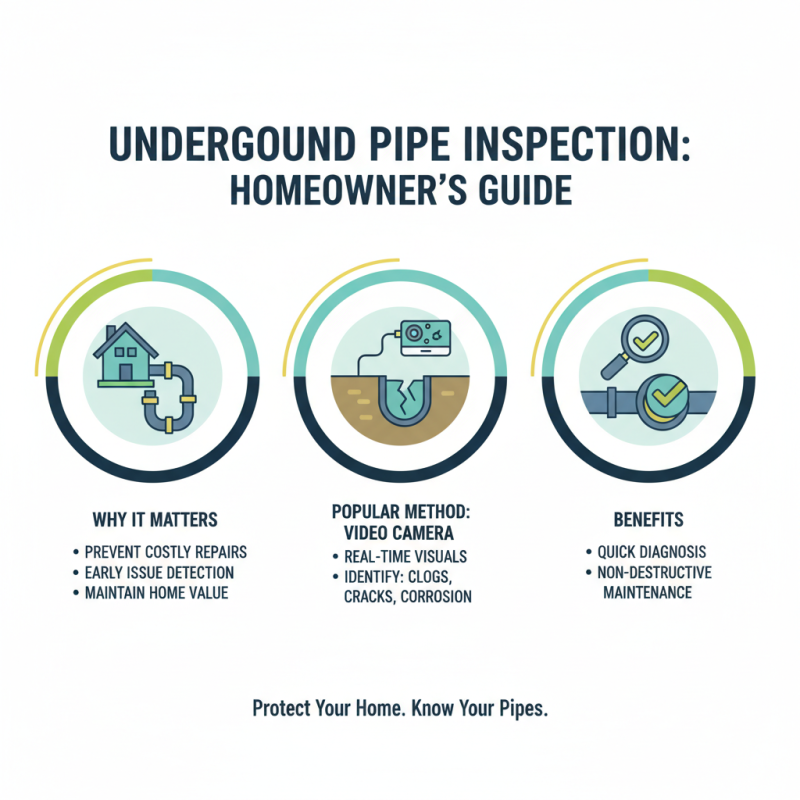
Inspecting underground pipes is crucial for every homeowner. According to the American Society of Civil Engineers, 1 in 4 homes faces plumbing issues related to aging systems. These underground pipes can deteriorate over time, leading to serious leaks or blockages. Such problems can escalate, causing costly repairs.
Homeowners often overlook the importance of regularly checking underground systems. A survey by the National Association of Home Inspectors reveals that 58% of homeowners never inspect their pipes. This negligence can result in significant damage and unexpected expenses. Timely detection of issues can save dollars and mitigate headaches in the long run.
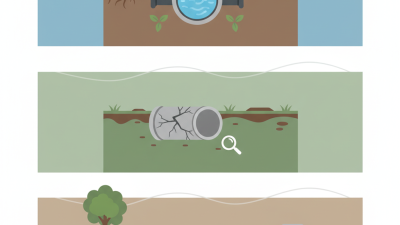
Moreover, many don’t realize that tree roots can infiltrate underground pipes, causing cracks and clogs. An estimated 30% of sewer backups are linked to root invasion. This highlights the need for proactive inspections. Ignoring these thorough checks may lead to unwanted surprises, underscoring the importance of maintaining underground pipe integrity.
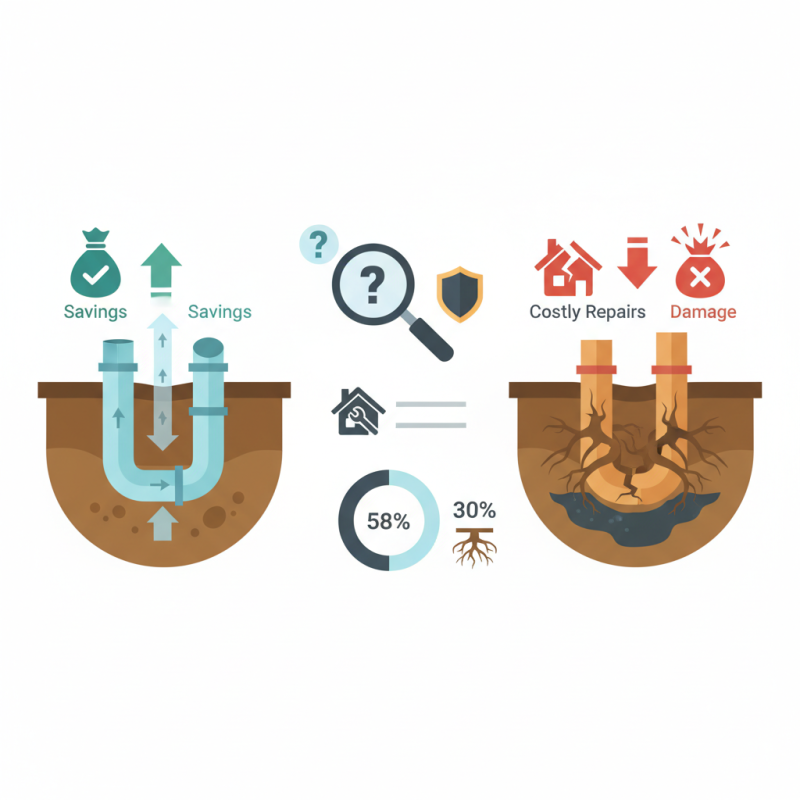
Importance of Assessing Underground Pipes for Home Maintenance
Assessing underground pipes plays a crucial role in home maintenance. Homeowners often overlook these pipes. They are buried, out of sight, and easy to forget. However, neglecting them can lead to costly repairs later. Water damage may occur without any visible warning.
Regular inspections can identify potential issues early. Cracks and leaks can develop in aging pipes. Small problems can escalate into major expenses. Homeowners should consider the health of their plumbing system. An inspection may uncover blockages, corrosion, or root intrusions.
Many homeowners feel overwhelmed by maintenance tasks. The idea of inspecting pipes might seem daunting. Yet, it’s essential for peace of mind. A good inspection plan can save time and money. Waiting until there is a major leak may be too late. Taking small steps now can prevent bigger headaches down the road.
Importance of Inspecting Underground Pipes for Homeowners
Potential Risks of Neglecting Underground Pipe Inspections
Neglecting underground pipe inspections can lead to significant risks for homeowners. Hidden leaks can go unnoticed for a long time, damaging foundations and leading to costly repairs. Water damage can create an environment for mold growth, which poses health risks. Homeowners might not see these issues immediately, but delays can result in more severe consequences.
Another risk involves the potential for sewage backups. A clogged pipe can cause raw sewage to enter your home, creating an unpleasant and hazardous situation. Homeowners may face not only the expense of cleanup but also health complications from exposure to contaminated water. Regular inspections can catch these problems early, preventing emergencies and protecting your property.
Furthermore, the age of underground pipes increases the likelihood of deterioration. Roots from nearby trees can invade pipes, causing cracks and blockages. Homeowners often overlook this until it becomes a major issue. Creating a maintenance schedule for inspections could save money and stress in the long run. It’s essential to acknowledge that neglect can transform minor problems into major headaches, costing more than just money.
Why is Inspecting Underground Pipes Important for Homeowners? - Potential Risks of Neglecting Underground Pipe Inspections
| Inspection Type |
Frequency |
Potential Risks of Neglect |
Recommended Action |
| Structural Inspection |
Every 5 years |
Pipe Collapse, Water Damage |
Conduct thorough assessments and repairs as needed. |
| Leak Detection |
Annually |
Increased Water Bills, Mold Growth |
Utilize advanced leak detection technology. |
| Root Intrusion Inspection |
Every 3 years |
Blocked Pipes, Sewage Backups |
Regular pruning of nearby trees. |
| Corrosion Assessment |
Every 3 years |
Pipe Burst, Contaminated Water Supply |
Use corrosion-resistant materials for repairs. |
| Overall Condition Inspection |
Every year |
General Deterioration, Costly Repairs |
Schedule routine inspections with a professional. |
Signs Indicating the Need for Underground Pipe Inspection
Inspecting underground pipes is crucial for homeowners. Many households face problems due to neglected pipe issues. Signs that signal the need for inspection include unusual damp spots in the yard. These spots might indicate a leak. Homeowners should not overlook these early warnings.
Another sign is an unexplained increase in water bills. If you see a spike without a clear reason, your pipes might be compromised. Additionally, slow drainage can suggest clogs or damage. These issues could escalate if left unattended. In fact, industry reports show that nearly 30% of homeowners face pipe-related problems due to lack of inspection.
**Tip:** Regularly check your yard for wet areas. Early detection can save you money and headaches later.
Discoloration of walls or ceilings is another indicator. Mold growth may develop, posing health risks. If you spot mold, investigate further. It can come from hidden leaks in pipes. Experts recommend annual inspections as a preventive measure.
**Tip:** Consider professional inspections every few years. Investing in your plumbing can extend the life of your home. Don’t wait until repairs are urgent and costly.
Cost-Benefit Analysis of Regular Pipe Inspections for Homeowners
Regular inspections of underground pipes can save homeowners substantial money over time. According to a report by the National Association of Home Inspectors, the average homeowner spends around $1,000 annually on plumbing repairs. However, conducting annual pipe inspections can reduce these costs by nearly 30%. This preventive measure helps identify issues like leaks or blockages before they escalate.
Many homeowners underestimate the condition of their underground pipes. A study by the American Society of Civil Engineers reveals that nearly 1 in 5 pipes requires immediate attention. Ignoring this reality can lead to significant damage. Homeowners may find themselves facing costly repairs that could have been avoided. A leak that goes undetected can lead to mold growth, which is more expensive to remediate.
Not all inspections are equal. Some homeowners might opt for less thorough evaluations to save money. Yet, cutting corners can lead to bigger headaches. Investing in high-quality inspections brings long-term peace of mind. Quality assessments typically cost between $200 and $500. This initial investment can save thousands later, making it a logical choice for responsible homeowners.