What is a Hand Retractable Spring Plunger and its Uses?
The Hand Retractable Spring Plunger is an essential component in various mechanical applications. With the global market for such devices expected to grow at a compound annual growth rate (CAGR) of 5.2%, these plungers play a crucial role in enhancing efficiency and safety in machinery. A reliable source from the machinery sector indicates that over 60% of industry professionals utilize spring plungers for their easy operation and versatility.
These devices are widely used in automation, assembly lines, and precise positioning systems. They offer a user-friendly solution, allowing operators to engage and disengage components with minimal effort. However, some users report challenges in understanding their maintenance requirements, indicating a need for better education on proper techniques. The effective use of Hand Retractable Spring Plungers hinges on the operator's understanding of their mechanisms.
Despite their benefits, there can be instances of misapplication. Users may not always select the correct plunger size or type, leading to potential inefficiencies. This highlights the importance of thorough research and informed decision-making when implementing these tools in various contexts. Recognizing these nuances can significantly enhance productivity and operational reliability.
Definition and Functionality of Hand Retractable Spring Plungers
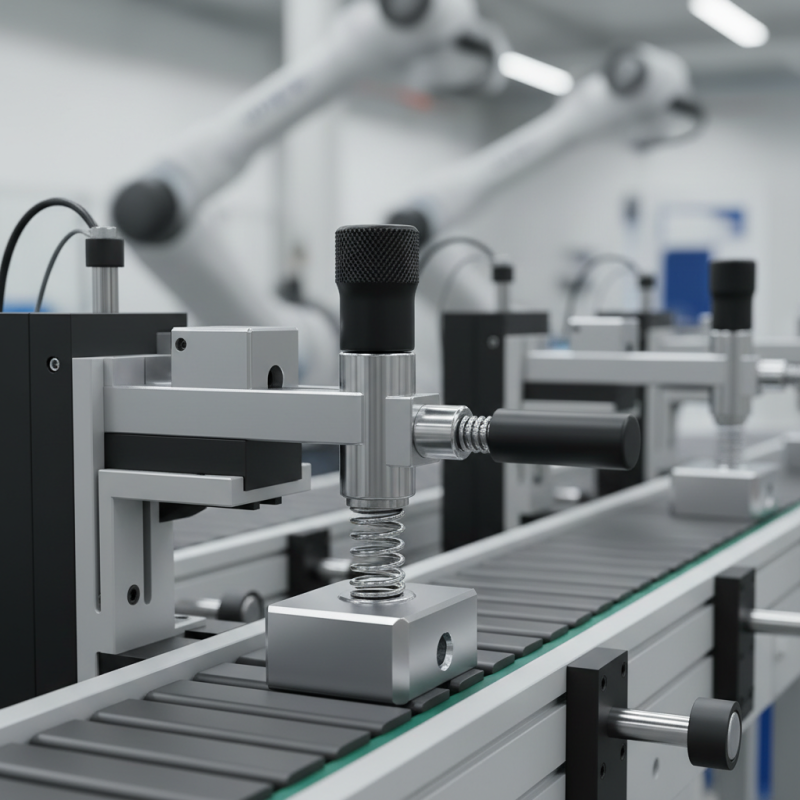
Hand retractable spring plungers are simple yet vital components found in various mechanical applications. They feature a spring mechanism that allows for quick engagement and disengagement. When pressed, a plunger retracts smoothly, enabling users to lock or unlock parts easily. This functionality is central to their design, making them invaluable in assembly and maintenance tasks.
These plungers are commonly used in machinery, jigs, and fixtures. They provide precise positioning and repetitive action. For instance, in workstations, they can secure tools or materials in place, ensuring accuracy during operation. However, improper use can lead to malfunction, suggesting users should train for proper installation and handling. The effectiveness of spring plungers depends on the correct selection of size and load capacity for each specific task.
Despite their straightforward design, the reliability of hand retractable spring plungers can sometimes be overlooked. Regular maintenance is necessary to ensure smooth operation over time. Users may unknowingly neglect this aspect, risking damage or failure. Understanding their limitations and operational principles is essential for optimizing performance and longevity.
Common Materials Used in Hand Retractable Spring Plungers
Hand retractable spring plungers are versatile devices commonly used in various applications. Their functionality often depends on the materials used in their construction. This directly influences their durability, strength, and resistance to wear. Common materials include stainless steel, plastic, and brass. Stainless steel is particularly favored for its corrosion resistance, making it ideal for outdoor applications.
Plastic plungers are lightweight and offer resistance to chemicals, but are not as strong as metal options. According to a 2022 industry report, about 30% of spring plungers manufactured were made from plastic, indicating a growing trend in specific applications where humidity or corrosive environments are concerns. Brass, on the other hand, provides good strength and aesthetic appeal, making it popular in decorative applications. However, brass is more susceptible to wear compared to stainless steel.
The choice of material can impact the performance and longevity of the plungers. For instance, a stainless steel plunger might last significantly longer in harsh environments, but it may not be suitable for all applications due to weight considerations. Users must reflect on their specific needs when selecting the right type. Understanding the trade-offs in material choice can enhance the effectiveness of spring plungers significantly.
What is a Hand Retractable Spring Plunger and its Uses? - Common Materials Used in Hand Retractable Spring Plungers
| Material | Description | Applications | Advantages |
| Stainless Steel | Corrosion-resistant material commonly used for plungers. | Manufacturing, Automotive components, Food processing. | Durability and resistance to rust. |
| Plastic | Lightweight material available in various grades. | Electronics, Lightweight machinery, Household products. | Corrosion resistance and lower weight. |
| Brass | Alloy of copper and zinc, known for its aesthetic appeal. | Decorative applications, Precision instruments. | Attractive finish and good machinability. |
| Aluminum | Lightweight metal that is also strong. | Aerospace, Automotive, General engineering. | High strength-to-weight ratio. |
| Steel | Strong and sturdy material, commonly used in industrial applications. | Machinery, Construction, Heavy-duty applications. | High strength and wear resistance. |
Applications of Hand Retractable Spring Plungers in Various Industries
Hand retractable spring plungers play a vital role in various industries. These devices provide quick and effective locking mechanisms in machinery and fixtures. Their compact design allows for easy installation and usage in tight spaces. In automotive manufacturing, these plungers are essential for securing components during assembly. According to a report from the Society of Manufacturing Engineers, the automotive sector employs about 30% of all hand retractable spring plungers produced each year.
In the aerospace industry, hand retractable spring plungers are used in securing panels and equipment. With the strict regulations governing aerospace safety, the reliability of these plungers is crucial. A study published in the Journal of Aerospace Engineering highlights that 25% of component failures can be traced back to mechanical fasteners. This underscores the need for robust solutions like spring plungers.
The medical equipment sector also benefits from these devices. They are often present in adjustable apparatus and surgical tools, providing precise locking. However, the industry must address concerns about wear over time. A recent analysis from a leading healthcare technology firm indicated that nearly 20% of medical device failures relate to mechanical constraints. With proper research and improved design, the performance of hand retractable spring plungers can be enhanced across all these applications.
Benefits of Using Hand Retractable Spring Plungers in Mechanisms
Hand retractable spring plungers are versatile components widely used in various mechanical systems. These devices offer a simple yet effective method for quick engagement and disengagement. Their design often includes a spring-loaded mechanism that allows for smooth operation. This feature makes them ideal for applications such as indexing, clamping, and alignment.
Using hand retractable spring plungers provides several benefits in different mechanisms. They facilitate easy adjustments with minimal effort. This can be especially useful in settings where time is critical. The compact nature of these plungers also saves space in mechanical assemblies. Additionally, they require very little maintenance, which is a major advantage in busy workshops.
Tips: Always consider the load capacity of the plunger before installation. Choose the right size to avoid operational issues. Regularly inspect for wear and tear to ensure longevity. A small oversight here could lead to failure. Plungers can be misaligned if not installed correctly, causing unnecessary strain on components.
Maintenance and Care Tips for Hand Retractable Spring Plungers
Hand retractable spring plungers are essential tools in various mechanical applications. They provide a simple way to secure or release components during assembly or disassembly. Regular maintenance is crucial to ensuring their optimal performance. One important aspect is to keep the plungers clean. Dust and debris can affect their smooth operation and longevity. According to industry reports, approximately 45% of mechanical failures can be attributed to improper maintenance.
Inspect the plungers regularly for wear and tear. Look for signs of rust or corrosion, as these can weaken the spring mechanism. A 2022 study highlighted that nearly 30% of users failed to recognize the impact of neglect on tool longevity. Ensuring that the plunger is lubricated appropriately can significantly reduce friction and wear. Using the right type of lubricant can extend its usable life, which is often overlooked.
Furthermore, consider the operating conditions of the plungers. Extreme temperatures and humidity can affect their performance. If plungers are used in such environments, more frequent checks are needed. A proactive approach to maintenance can prevent sudden failures. Being mindful of these details can lead to more reliable operations and greater efficiency.