What is Grass Reinforcement Mesh and How Does It Work?
Grass reinforcement mesh is an innovative solution for enhancing the durability of grass surfaces. This technology is gaining attention due to increasing concerns about soil erosion and turf damage in various applications. According to industry reports, the global market for grass reinforcement solutions is projected to grow at a CAGR of 5.4% through 2026. This indicates a rising demand for effective ground stabilization.
The effectiveness of grass reinforcement mesh lies in its ability to distribute weight evenly. This feature reduces soil compaction while promoting healthy grass growth. Studies show that reinforced grass surfaces endure heavy foot traffic and vehicle use more effectively than traditional turf. However, improper installation or selection can lead to issues such as inadequate drainage or uneven grass growth.
While grass reinforcement mesh addresses many challenges, it requires careful consideration. Without thorough planning, users may face difficulties, such as mesh degradation or soil health issues. Furthermore, not all products are created equal, and differences in material quality can significantly affect performance. Understanding these factors is crucial for achieving optimal results in grass reinforcement projects.
What is Grass Reinforcement Mesh?
Grass reinforcement mesh is an innovative solution for maintaining grassy areas in high-traffic zones. It consists of a network of plastic or metal grids designed to support grass growth while preventing soil erosion. This mesh provides a stable foundation for grass to thrive, especially in locations prone to wear and tear, like driveways or parking lots.
The purpose of grass reinforcement mesh is to enhance both the aesthetic and functional aspects of landscaping. It allows grass to grow through the mesh, creating a natural appearance. However, placement can be challenging. If not installed correctly, the mesh may become uneven or even hinder grass growth. Proper preparation of the underlying soil is essential for its success.
While this mesh offers many benefits, it is not a one-size-fits-all solution. Different soil types and climatic conditions can affect the outcome. Some people may find that it shifts over time, requiring maintenance. Awareness of these potential issues is crucial for achieving the desired results with grass reinforcement mesh.
The Composition and Design of Grass Reinforcement Mesh
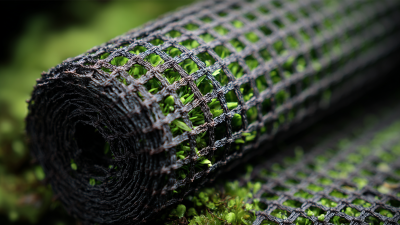
Grass reinforcement mesh is an innovative solution for strengthening grassed areas. It is designed to support soil stability, enabling lush grass growth. The mesh consists of a durable polymer material, often made from recycled plastics. This composition makes it lightweight but strong enough to withstand heavy foot traffic.
The design of grass reinforcement mesh features a honeycomb-like structure. This structure allows grass roots to penetrate the mesh while providing a solid base. As soil compacts underneath, the mesh helps disperse weight evenly. The result is a resilient surface that reduces muddy patches. It also aids in water retention, promoting healthier grass growth in dry times.
Tip: When choosing mesh, consider the depth of installation. A shallow installation may not provide adequate support. Ensure the surface is prepped well to maximize mesh effectiveness. Pay attention to the mesh spacing too; it can influence grass density.
What is Grass Reinforcement Mesh and How Does It Work? - The Composition and Design of Grass Reinforcement Mesh
| Attribute |
Description |
| Material |
Polypropylene or polyethylene, chosen for durability and flexibility. |
| Design |
Open grid structure that promotes water drainage and grass growth. |
| Size Options |
Typically available in rolls with varying widths from 1m to 2m and customizable lengths. |
| Load Bearing Capacity |
Can support significant weight, ideal for vehicle traffic and heavy use areas. |
| Installation Method |
Laid on prepared ground, seeded or turfed with grass for integration. |
| Environmental Impact |
Helps reduce soil erosion and promotes grass growth, enhancing biodiversity. |
| Applications |
Ideal for driveways, parking areas, pathways, and green spaces. |
How Grass Reinforcement Mesh Enhances Soil Stability
Grass reinforcement mesh plays a vital role in enhancing soil stability. When installed properly, it helps distribute weight evenly over the soil surface. This reduces the risk of erosion and maintains the integrity of the ground. During heavy rain, soil can easily wash away. The mesh provides an element of protection, preventing soil loss and deterioration.
The mesh consists of interconnected strips designed to hold grass and soil together. This structure encourages root growth, which further stabilizes the soil. With deeper roots, grass can better anchor itself. Ultimately, this growth contributes to a stronger, more resilient landscape. In areas prone to wear, the mesh can offer support, yet it requires regular maintenance to ensure effectiveness.
Despite its advantages, grass reinforcement mesh is not a silver bullet. Installation can be tricky, and poor placement may lead to uneven results. Some users might find it challenging to maintain compared to traditional methods. Proper care and periodic checks are necessary to address wear and tear. Over time, it might need replacement or adjustment for optimal performance. The mesh is a step forward, but it’s not without its challenges.
Installation Process of Grass Reinforcement Mesh
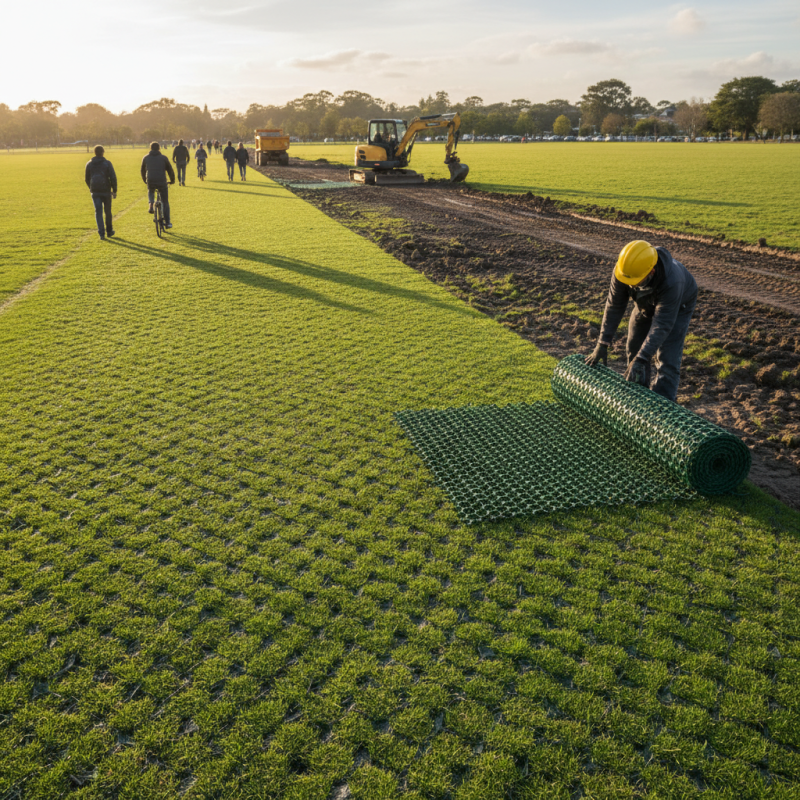
Installing grass reinforcement mesh requires careful planning and execution. Begin by preparing the site. Clear away any debris, rocks, or old grass. This ensures a smooth base for your installation. Measure the area accurately to determine how much mesh you need. It's important to account for corners and curves in your design.
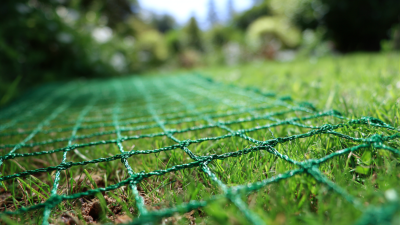
Next, lay out the mesh. Align it properly to avoid gaps. This step is crucial for effective grass growth and stability. Secure the mesh using stakes or anchors. Make sure it’s tight and flat against the ground. Avoid overlapping pieces, which can lead to uneven grass growth. Once in place, you can start adding soil and seed.
Watering is vital during and after installation. Check moisture levels daily. Be mindful of weather conditions, as rain can wash away seeds. It’s a process that might take time and requires adjustments. Don't be discouraged if the grass doesn’t sprout evenly. Over time, with care, the mesh will support a lush lawn.
Grass Reinforcement Mesh Benefits and Usage Statistics
This chart illustrates the various benefits of Grass Reinforcement Mesh, rated on a scale from 1 to 10. The highest rating is given to soil stability, indicating its significant role in enhancing ground strength, while aesthetic value and cost efficiency are also essential factors in its application.
Applications and Benefits of Grass Reinforcement Mesh in Landscaping
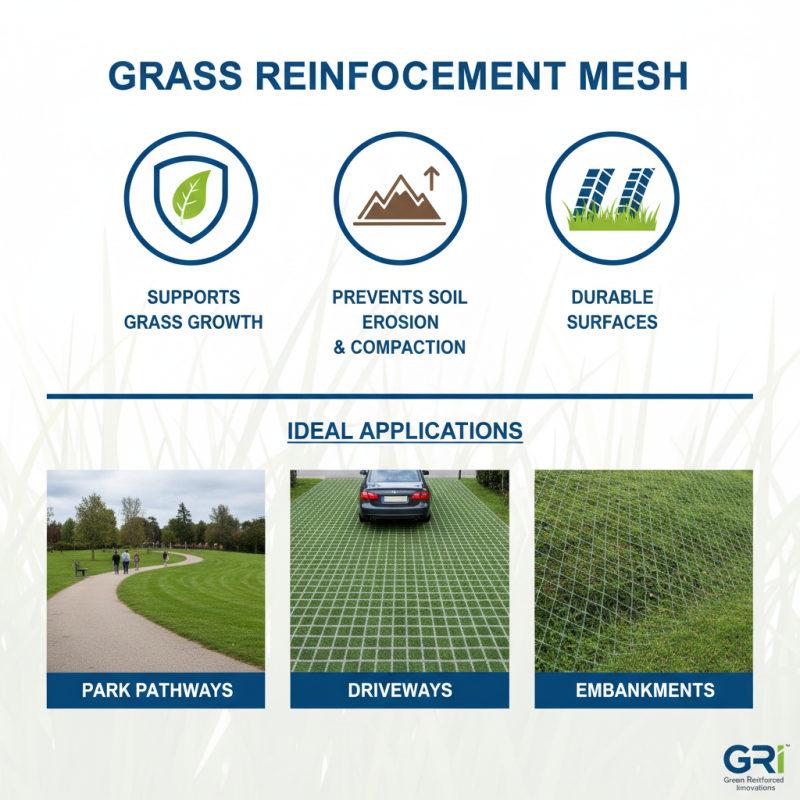
Grass reinforcement mesh is becoming increasingly popular in landscaping projects. This innovative solution supports grass growth while preventing soil erosion and compaction. Areas such as park pathways, driveways, and embankments are ideal for applying this technology.
One notable benefit of using grass reinforcement mesh is its ability to reduce maintenance costs. A study by the Landscape Institute found that landscapes with this reinforcement required 30% less maintenance than those without. Additionally, the mesh helps to enhance drainage. It allows rainwater to permeate through the soil more efficiently. This is vital for preventing puddles and ensuring healthy grass growth.
Tips: When installing grass reinforcement mesh, ensure that the ground is properly prepared. Level the soil and remove any debris. This step can make a significant difference in effectiveness. Another consideration is the choice of grass type. Some grass varieties thrive better in reinforced conditions. Choosing wisely will enhance the mesh's benefits.
However, some challenges exist. In certain climates, the mesh can become overgrown with weeds. This can hinder grass development if not managed correctly. Regular monitoring and maintenance are essential. Balancing these aspects is crucial for optimal results in your landscaping project.