Top Uses of Geotextile Fabric in Construction and Environmental Projects?
Geotextile fabric plays a vital role in modern construction and environmental projects. This innovative material offers numerous applications, from soil stabilization to erosion control. Renowned geotextile fabric expert Dr. Emily Carter once stated, “The versatility of geotextile fabric is unmatched in addressing complex engineering challenges.”
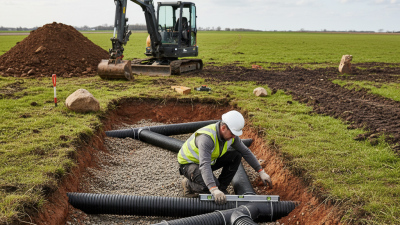
In construction, geotextile fabric is often used to enhance drainage systems, ensuring water flows efficiently. It can prevent soil erosion on slopes and riverbanks, protecting the environment while maintaining structural integrity. Some contractors overlook its potential in landscaping, where it aids in weed control and plant health.
Despite its benefits, not all projects utilize geotextile fabric effectively. Some engineers dismiss it due to cost concerns. Others may lack sufficient training to implement it properly. Inadequate knowledge can lead to improper installation, diminishing its advantages. This raises questions about how the industry can better educate professionals about the effective use of geotextile fabric. Addressing these gaps is essential for maximizing its potential in construction and environmental initiatives.
Advantages of Geotextile Fabric in Construction Projects
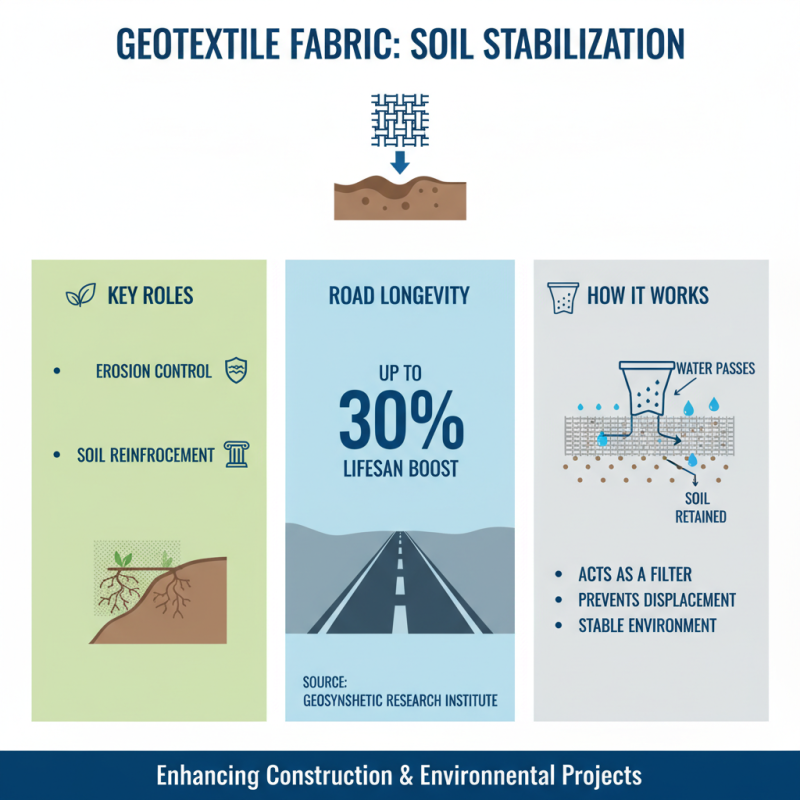
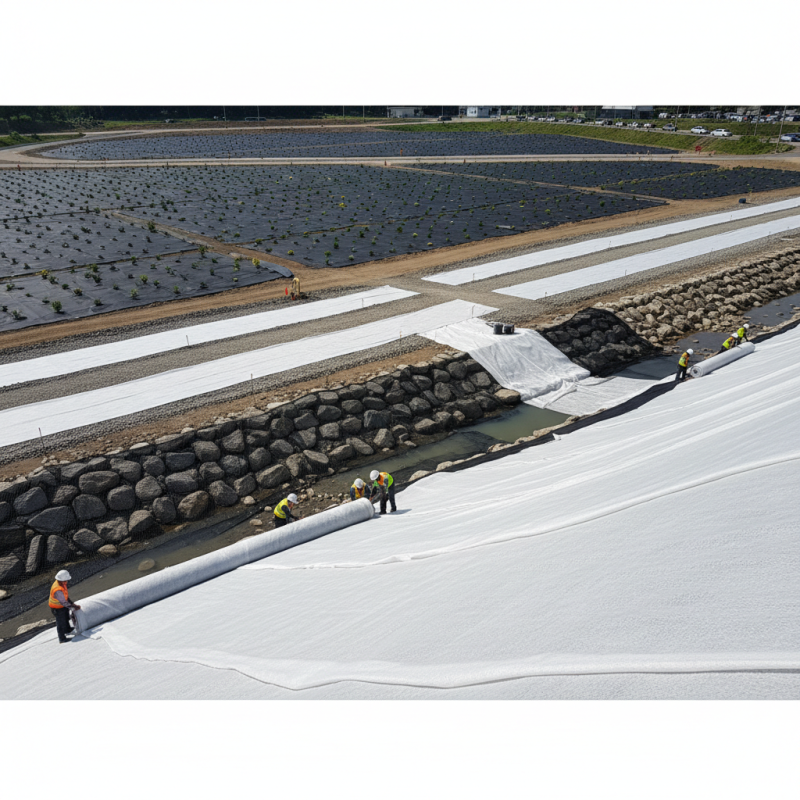
Geotextile fabric plays a crucial role in various construction projects. Its primary advantage lies in soil stabilization. Studies show that using geotextiles can reduce soil erosion by up to 50%. This is significant for retaining structures in challenging landscapes. The fabric’s permeability allows water to flow while filtering out soil particles.
In road construction, geotextiles improve the longevity of surfaces. They prevent subgrade failure by distributing loads evenly. According to industry reports, roadways with geotextile layers can last 20% longer than those without. This translates into significant cost savings for infrastructure maintenance.
Tips: Choose the right type of geotextile for your project. There are woven and non-woven options available. The choice depends on the specific requirements of your soil and drainage conditions.
Another aspect to consider is installation. If not done correctly, even the best materials can fail. It’s essential to ensure proper overlap and anchoring during installation. Regular inspections can help identify early signs of failure.
Tips: Always consult with a geotechnical engineer. They can provide valuable insights tailored to your project.
Geotextile fabric is a powerful tool. However, its effectiveness hinges on proper usage and maintenance. Projects must prioritize these elements for optimal performance.
Top Uses of Geotextile Fabric in Construction and Environmental Projects
This chart illustrates the top uses of geotextile fabric in construction and environmental projects, highlighting the frequency of usage across various applications. Soil stabilization is the most common use, followed by drainage and erosion control, showcasing the versatility and importance of geotextile fabric in these fields.
Use of Geotextile Fabric for Erosion Control in Environmental Projects
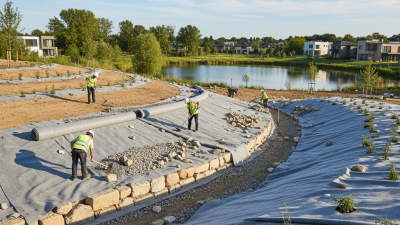
Geotextile fabric plays a crucial role in erosion control for environmental projects. It is often used in various applications, from stabilizing soil to preventing sediment runoff. For instance, when applied to slopes, it helps retain soil in place. This fabric allows water to pass through while filtering out particles. However, choosing the right type for specific conditions requires careful consideration.
In some cases, geotextile fabric may not perform as expected. Improper installation can lead to failures. Factors such as soil type and vegetation coverage influence effectiveness. Regular monitoring and maintenance are essential. Without this, erosion may still occur, undermining the project’s goals.
The effectiveness of geotextile fabric in controlling erosion involves more than just placement. It requires a holistic approach that includes surrounding ecology. Integrating native plants can enhance stability. In some projects, people overlook this aspect entirely. Such oversights can hinder the long-term success of erosion control strategies. Each project is a learning opportunity.
Top Uses of Geotextile Fabric in Construction and Environmental Projects
| Application Area |
Description |
Benefits |
| Erosion Control |
Used to stabilize slopes and prevent soil erosion by providing a barrier that absorbs rain impact. |
Reduces soil loss, maintains vegetation, and enhances flood control measures. |
| Drainage Solutions |
Facilitates water drainage in areas prone to flooding or excessive rainfall. |
Prevents waterlogging and protects foundations from water damage. |
| Riprap Stabilization |
Combined with stone or riprap to prevent wear and erosion of riverbanks or shorelines. |
Extends the life of shorelines and riverbanks against fast-moving water. |
| Construction Site Management |
Used for silt fencing and as part of silt traps to manage sediment runoff. |
Controls sediment flow, protecting local water bodies from contamination during construction. |
| Temporary Road Construction |
Serves as a base for temporary roads in construction sites or remote areas. |
Improves load-bearing capacity and reduces mud and erosion issues. |
Geotextile Fabric in Drainage Systems and Water Management
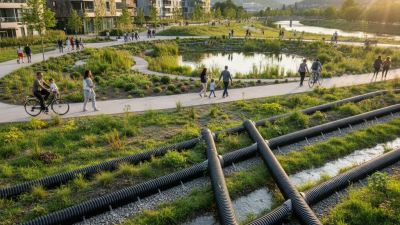
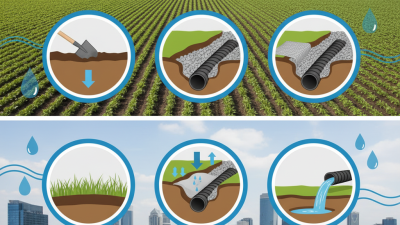
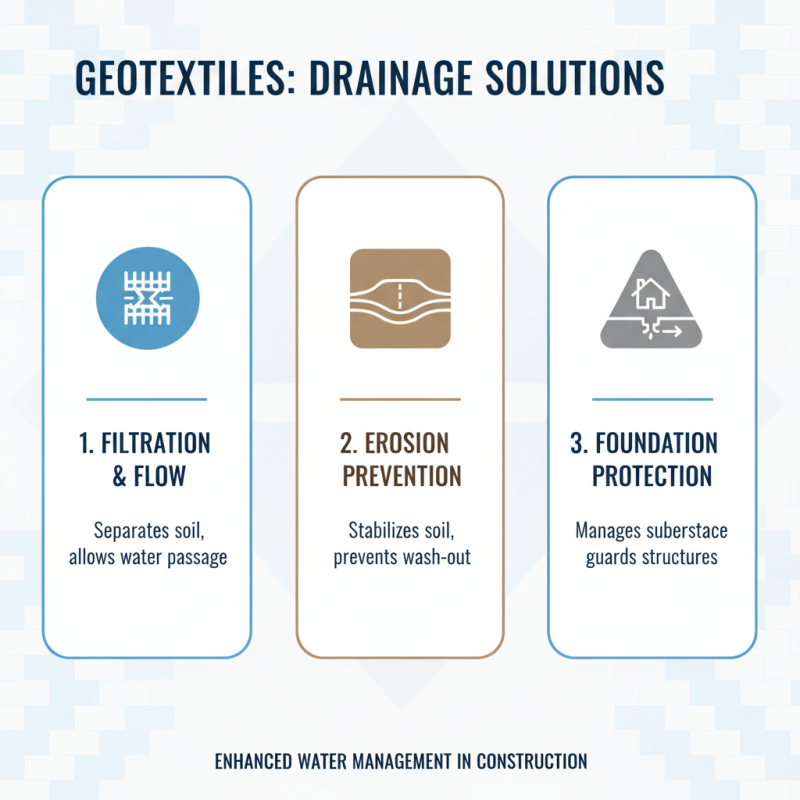
Geotextile fabric plays a vital role in drainage systems. These materials enhance water management in a variety of construction projects. Using geotextiles, engineers can create effective drainage layers for roads and foundations. This prevents water accumulation, which can lead to erosion or structural damage.
In garden and landscape projects, geotextiles are essential. They help filter water and prevent soil erosion. The fabric allows water to flow while blocking soil particles. Surprisingly, many people overlook its function in urban settings. Water management is crucial for preventing flooding, yet geotextile use is not always prioritized.
However, challenges remain. Improper installation can lead to drainage issues. Some projects do not consider the right type of geotextile for specific soil conditions. Awareness and education are key to maximizing the benefits of these materials. More training and resources could help ensure their proper use.
Innovative Uses of Geotextile Fabric in Landscape Architecture and Design
Geotextile fabric plays a crucial role in landscape architecture and design. Its versatility makes it a favorite among architects and designers. For instance, it can support soil erosion control. This is especially important for steep slopes. The fabric helps stabilize the soil while allowing water to pass through. It prevents runoff and protects local ecosystems.
In garden designs, geotextile fabric is used to create defined spaces. It separates soil layers, allowing for better drainage and root growth. This promotes healthier plants. Designers often use it in plant beds and along pathways. However, there are challenges to consider. Improper installation can lead to water pooling. This creates problems for plant health.
Additionally, geotextiles can play a role in green roofs. They provide support for the growing medium. This allows for the growth of vegetation in urban settings. But the choice of fabric matters. Not all geotextiles are suitable for every environment. It's essential to research and select the right type. Missteps can compromise the entire landscape project. Understanding these fabrics is key to successful design.