What is a Drainage Pipe and How Does it Work?
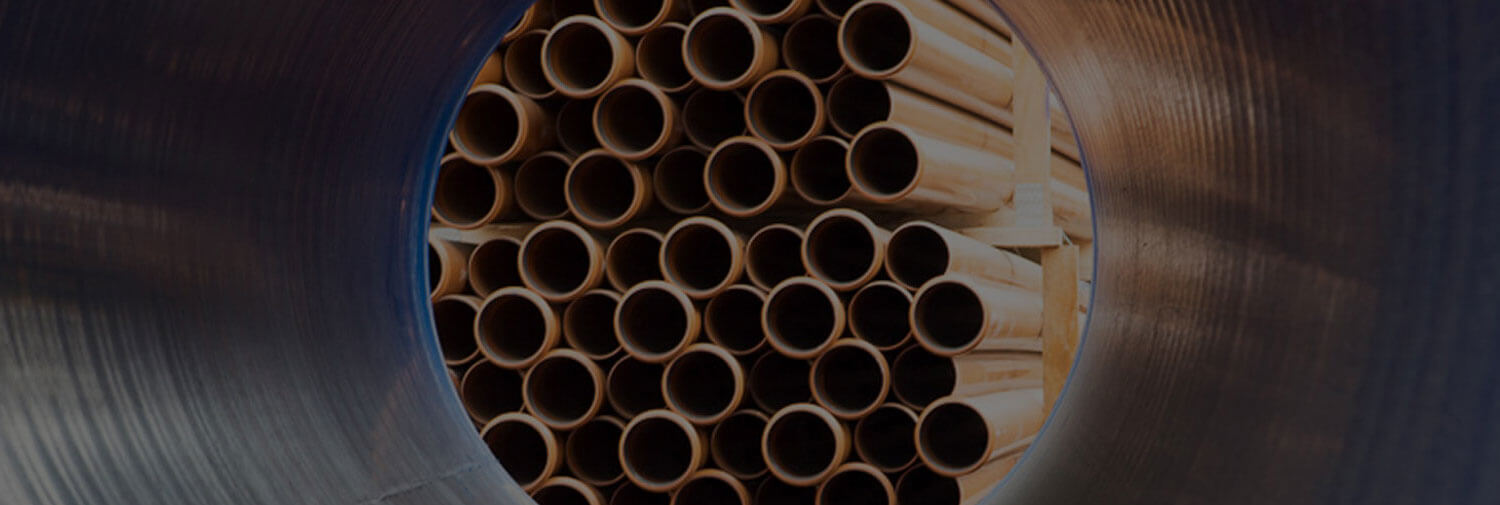
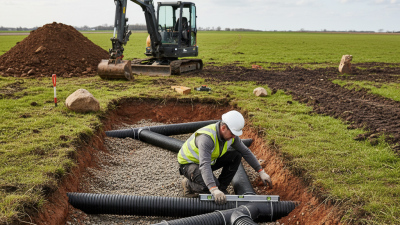
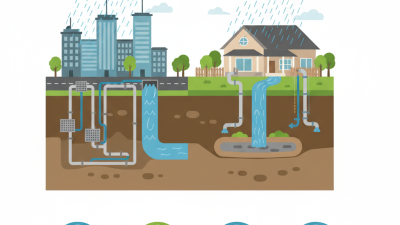
A drainage pipe is an essential element in managing water flow. It helps direct excess water away from your property. Without a proper drainage system, issues like flooding and soil erosion can occur.
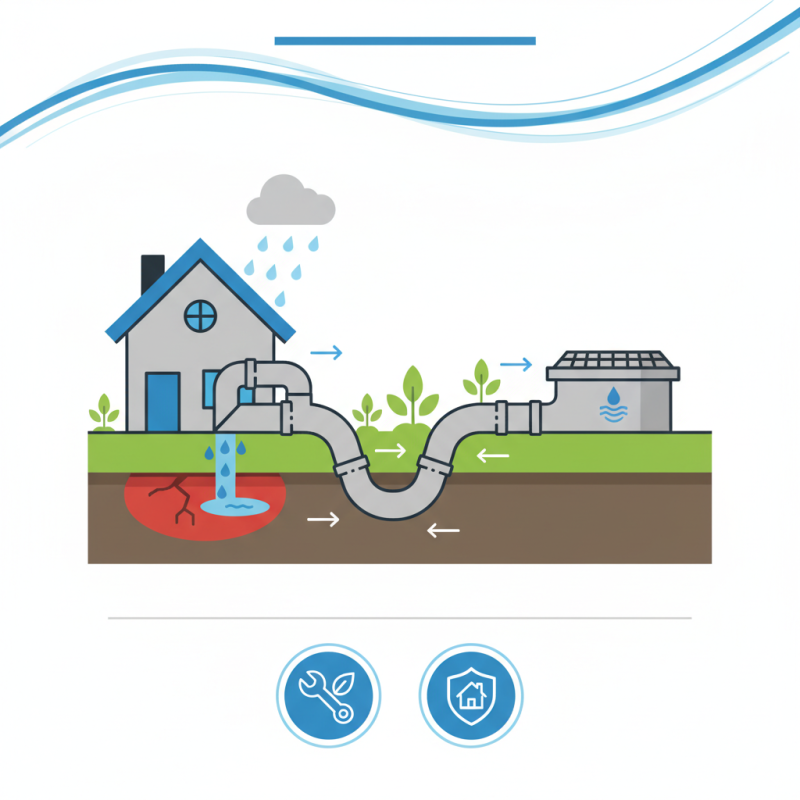
Understanding how a drainage pipe works is crucial for homeowners. These pipes collect water from various points. They channel it into a designated area, often a storm drain or a sump pit. However, not all drainage solutions are perfect. Poor installation can lead to clogging and leaks. Regular maintenance is vital to avoid these problems.
In everyday life, we may overlook the importance of drainage pipes. They silently prevent water damage, yet we rarely consider their function. The absence of effective drainage can lead to costly repairs. Reflecting on this, we recognize that investing in quality drainage systems is essential for long-term property health.
What is a Drainage Pipe?
A drainage pipe is a crucial component in managing water flow in various environments. These pipes are designed to transport excess water away from areas where it can cause damage. They are commonly used in residential, commercial, and agricultural applications. According to the American Society of Civil Engineers, inadequate drainage systems can lead to billions in damages each year.
Proper installation of drainage pipes prevents flooding and soil erosion. For instance, in urban environments, stormwater drainage systems handle over 100 million gallons of water daily. Yet, many systems are outdated and inefficient. Experts estimate that about 25% of existing drainage infrastructure needs urgent upgrades.
People often overlook the importance of maintenance. Blocked drainage pipes can lead to significant problems. Regular assessments are essential to ensure functionality. Failure to do this can result in costly repairs and environmental damage. Identifying and addressing issues early can save time and resources. It's essential to balance effective drainage solutions with ongoing maintenance efforts.
Types of Drainage Pipes and Their Uses
When discussing drainage pipes, it's essential to understand the various types available and their specific uses. There are several common types, including PVC, HDPE, and clay pipes.
PVC pipes are lightweight and resistant to corrosion, widely used in residential drainage systems. According to industry reports, about 60% of new drainage installations use PVC due to its cost-effectiveness and durability.
HDPE pipes, on the other hand, offer flexibility and can withstand greater pressure. These are often used in commercial applications, especially in areas where ground movement is a concern. Recent studies indicate that HDPE installations have a lifespan of over 100 years.
Clay pipes, while less common today, are still used in some traditional settings due to their durability and effectiveness at handling heavy loads.
Each type has its advantages, but there are challenges as well. PVC can be brittle under extreme conditions, while clay pipes may crack. Improper installation can lead to serious issues. Knowing these aspects helps in making informed decisions for drainage solutions. Understanding the strengths and weaknesses of these types can significantly affect project outcomes.
How Drainage Pipes Function in Water Management
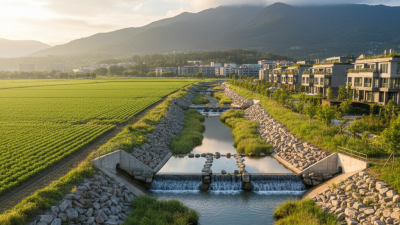
Drainage pipes play a vital role in effective water management. These pipes collect and transport excess water, helping to prevent flooding in urban areas. According to the American Society of Civil Engineers (ASCE), over 14% of the U.S. population lives in flood-prone areas. Proper drainage systems are crucial for protecting infrastructure and homes from water damage.
In residential areas, drainage pipes direct rainwater away from foundations. This helps mitigate erosion and reduce the risk of water pooling. Studies show that poorly designed drainage systems can lead to significant financial losses, averaging around $3,000 in repairs for homeowners. This emphasizes the need for regular maintenance and inspection of drainage systems. Neglected pipes can become clogged with debris, leading to unforeseen issues.
Moreover, drainage pipes vary in size and material, affecting their efficiency. For instance, PVC pipes are commonly used due to their durability. However, improperly installed or sized pipes can hinder water flow. This represents a crucial consideration for engineers and builders alike. The importance of effective drainage cannot be overstated, as the consequences of neglect can be severe.
Key Components of a Drainage Pipe System
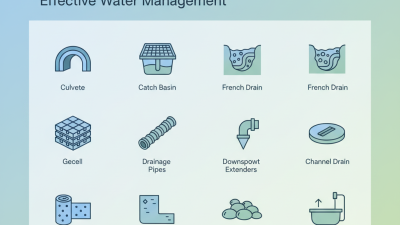
A drainage pipe system plays a vital role in managing excess water. The main components include
pipes, fittings, catch basins, and filters. Each serves a specific purpose in keeping areas dry.
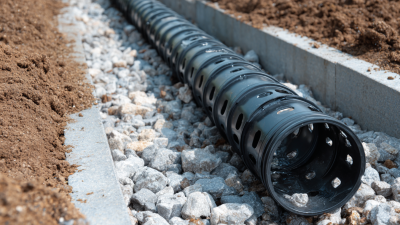
Pipes are the backbone of any drainage system. They transport water away from structures. Common materials for drainage pipes are PVC and corrugated plastic. Fittings connect the pipes and redirect water flow. There are elbows and tees for corners and junctions.
Catch basins collect debris and sediment. They prevent clogs in the pipes. Filters help to keep the water clean as it flows through. Regular maintenance is key. Inspect for damage and blockages.
Tips: Always clear debris from catch basins. This prevents bigger issues later. Consider the slope of your land. It affects how water drains. A poor slope can cause flooding.
Sometimes, systems may not function as expected. Heavy rains can overwhelm them. Reflection on past events helps. Planning for future storms is crucial. Adjustments may be necessary to enhance performance.
Common Issues and Maintenance Tips for Drainage Pipes
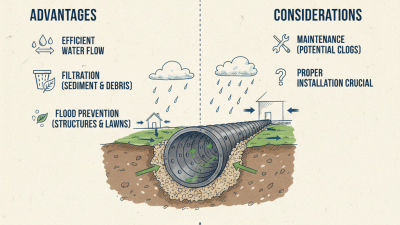
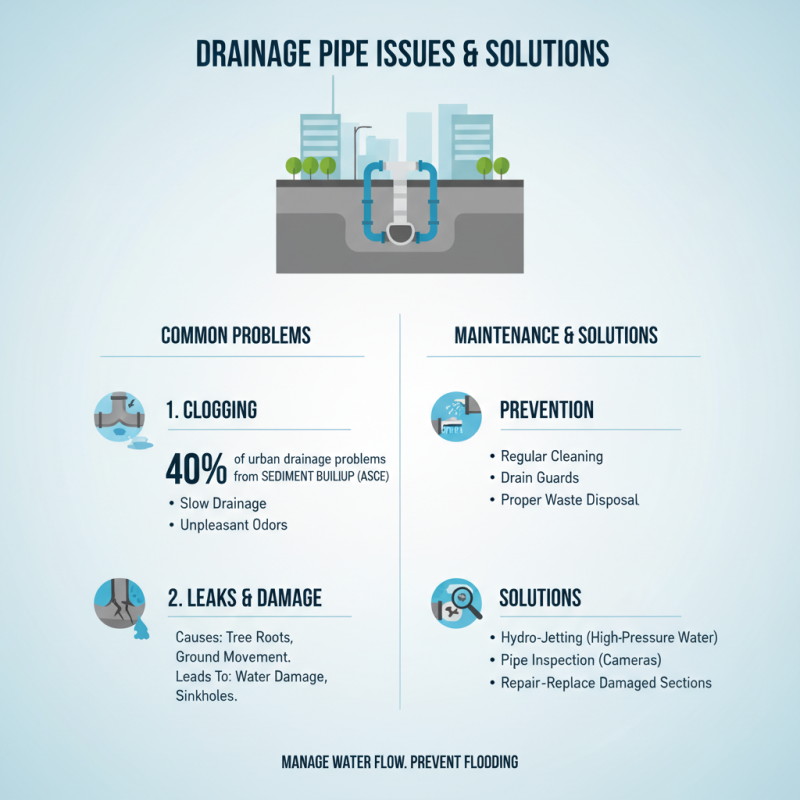
Drainage pipes play a vital role in managing water flow and preventing flooding. However, they can face common issues that require attention. Clogging is one major issue. According to the American Society of Civil Engineers, approximately 40% of urban drainage problems stem from sediment buildup. This can lead to water pooling and even property damage. Signs of clogging include slow drainage and unpleasant odors.
Regular maintenance is essential to ensure the efficiency of drainage systems. One effective method is to conduct visual inspections. Check for standing water or visible debris. Flushing the pipes with water helps prevent blockages. Using a simple solution like vinegar and baking soda can also aid in breaking down minor clogs. However, homeowners often neglect these simple tasks, leading to bigger issues down the line.
In addition, tree roots can invade drainage pipes. A report from the National Association of Environmental Professionals states that up to 30% of drainage failures can be attributed to root intrusion. It's crucial to monitor any trees near drainage lines and consider root barriers. Addressing these issues promptly can save costly repairs in the future. Engaging professionals for regular cleaning can ensure longevity and proper functioning.