How to Choose the Right Manhole Cover and Frame for Your Project?
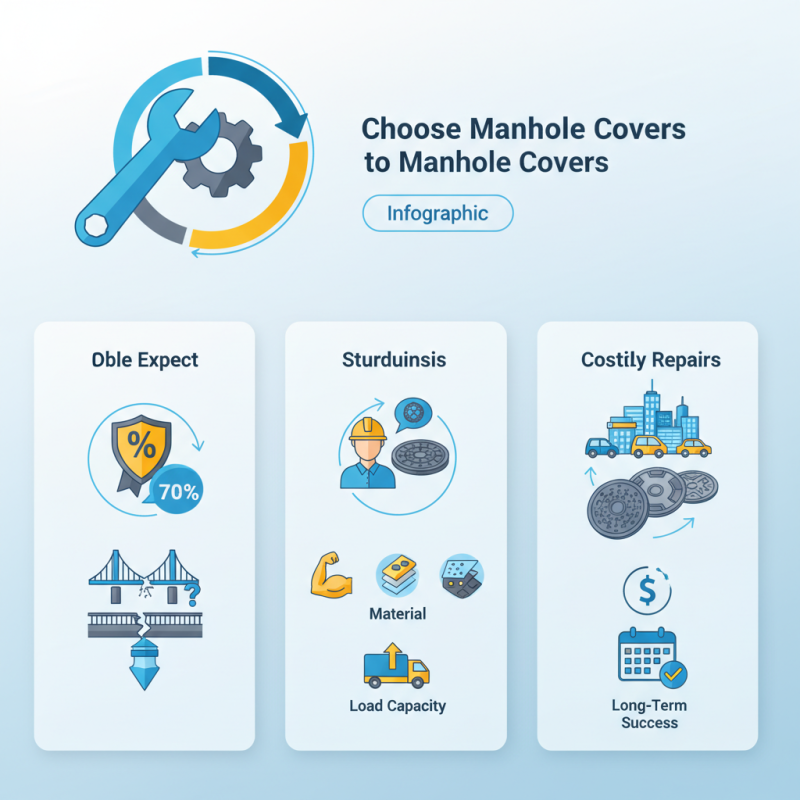
Choosing the right manhole cover and frame is crucial for infrastructure success. According to a recent report by the Global Utility Covers Association, over 70% of infrastructure failures are linked to inadequate cover choices. Ensuring sturdiness, proper material, and load capacity is vital.
Industry expert John Smith stated, "Selecting a manhole cover and frame can seem trivial, but the right choice directly affects safety and durability." His insight reflects the importance of informed decision-making.
Beyond aesthetics, functionality must guide your choice. Consider the environment and expected traffic. Different settings require specific materials and designs. It's easy to overlook these factors, yet this oversight can lead to costly repairs. Making the right choice, while sometimes challenging, ensures long-term success in your project.
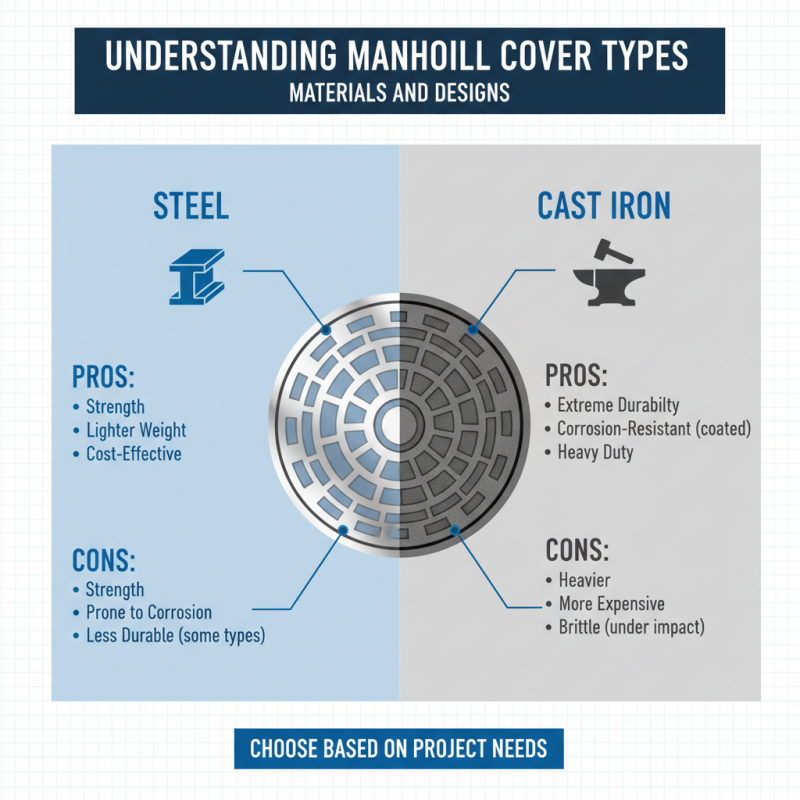
Understanding Manhole Cover Types: Materials and Designs
When selecting a manhole cover, understanding the types of materials available is crucial. Steel and cast iron are common choices. Steel offers strength but may corrode over time. Cast iron, while durable, can be heavier and more expensive. Each material has its pros and cons, requiring careful consideration based on project needs.
Design also plays a significant role in functionality. Standard designs are often sufficient, but custom options exist. Consider the environment where the cover will sit. Will it face heavy traffic or be situated in a park? A decorative design may enhance aesthetics but can impact safety. Not all designs meet load requirements, leading to potential failures.
Reflect on your unique project needs. What are the long-term maintenance possibilities? Will the selected materials hold up against weather conditions? A thoughtful approach ensures you choose a manhole cover that lasts. Not every cover fits every project, and recognizing this reality can lead to better choices.
Evaluating Load Ratings: Ensuring Compliance with Industry Standards
When selecting manhole covers and frames, evaluating load ratings is crucial. Load ratings indicate how much weight a cover can support without deformation or failure. It ensures compliance with industry standards, thus safeguarding public safety. For instance, the American Society for Testing and Materials (ASTM) provides standardized testing methods for these products, categorizing them based on their load capacity.
According to industry reports, load ratings can range from A15 to E600. A15 covers are suitable for pedestrian areas with a maximum load of 1.5 tons, while E600 covers are designed for heavy traffic situations, like airports, supporting loads up to 60 tons. Misunderstanding these ratings can lead to improper installations and significant safety hazards. Using an inappropriate load-rated cover can cause damage or accidents, which are often overlooked during project planning.
It's also vital to consider the environmental conditions when choosing manhole covers. Factors such as corrosion or extreme temperatures can affect the performance of the materials. A report from the Institute of Electrical and Electronics Engineers (IEEE) highlighted incidents where improper material choices led to early failures, further emphasizing the importance of meticulous selection aligned with load ratings.
How to Choose the Right Manhole Cover and Frame for Your Project? - Evaluating Load Ratings: Ensuring Compliance with Industry Standards
| Load Rating |
Material |
Diameter (mm) |
Weight (kg) |
Compliance Standard |
| A15 |
Polymer |
600 |
15 |
EN 124 |
| B125 |
Ductile Iron |
700 |
30 |
EN 124 |
| C250 |
Cast Iron |
800 |
50 |
EN 124 |
| D400 |
Concrete |
900 |
80 |
EN 124 |
| E600 |
Composite |
1000 |
60 |
EN 124 |
Assessing Size and Diameter: Importance for Your Infrastructure Needs
Choosing the right manhole cover and frame is crucial for infrastructure projects. A key aspect is assessing size and diameter. These dimensions directly impact safety, durability, and functionality. According to a recent industry report, improper sizing can lead to up to 25% of infrastructure failures.
The diameter of a manhole cover must align with the opening size. If it’s too small, it may not fit securely, risking accidents. Conversely, if it’s too large, it could be prone to shifting. A fit that meets the American National Standards Institute (ANSI) specifications is recommended. This ensures compatibility across various systems, providing long-term reliability.
Infrastructure experts highlight that the common diameter sizes range from 24 to 36 inches. However, larger projects might require custom sizes. Skipping this assessment may lead to costly replacements. It's clear that evaluating size and diameter is not just a formality. It is a fundamental step in ensuring effective and safe infrastructure planning.
Environmental Considerations: Choosing Covers for Various Locations
When selecting manhole covers, environmental considerations are crucial. The location of the manhole affects material choices. Urban areas often have more traffic. Therefore, heavy-duty steel covers may be necessary. In contrast, rural locations might not require such robust materials. According to a report by the International Journal of Engineering, using lighter materials can significantly reduce carbon emissions in low-traffic areas.
Weather conditions also play a role. Coastal regions face corrosion. This demands the use of materials that withstand saltwater. Research shows that polymer-based covers have excellent longevity in such environments. However, these may have limited load-bearing capacities. Carefully weighing these factors can lead to better decision-making.
Additionally, noise pollution must be considered. In residential areas, quieter materials can enhance community well-being. Sound-dampening covers can minimize disturbances. While costs might rise, the benefits could outweigh these expenses in the long run. Achieving a balance between durability and environmental responsibility is essential.
Cost-Effectiveness: Balancing Quality and Budget for Your Project
When selecting a manhole cover and frame for your project, cost-effectiveness should be a priority. Balancing quality with budget can be challenging. You must understand your project needs before making a decision. A cover that fails to meet quality standards can lead to costly repairs and safety risks.
Consider the materials used. Some options, like composite materials, can be more affordable yet durable. They are resistant to rust and corrosion, providing long-term value. However, cheaper options may not offer the same strength and longevity. Ask yourself: will lower initial costs raise future maintenance expenses?
Evaluate the safety features as well. A high-quality manhole cover can prevent hazards for pedestrians and vehicles. Finding the balance between safety and budget can be difficult. Sometimes, spending a bit more upfront saves you headaches. Reflecting on past projects can help inform your choice. Emphasize long-term benefits over short-term savings.
Cost-Effectiveness of Manhole Covers: Quality vs. Budget
This bar chart illustrates the cost of different types of manhole covers including Composite, Plastic, Steel, and Cast Iron. The aim is to help you understand the budget implications while considering the quality of the materials for your project.