How to Choose the Best Inspection Chamber for Your Needs?
Choosing the right inspection chamber is crucial for effective drainage management. A well-suited inspection chamber enhances both accessibility and maintenance. According to a report by the International Water Association, over 30% of utility service disruptions stem from inadequate inspection infrastructure.
Expert Mark Thompson, a renowned engineer in the drainage field, asserts, "Selecting the appropriate inspection chamber can save time and costs in the long run." His insights highlight the importance of understanding specific site conditions. Factors such as soil type and drainage volume must be analyzed closely. Failing to consider these can lead to frequent blockages.
The market offers various designs and materials. A wrong choice could lead to ongoing issues, underscoring the need for careful evaluation. While many believe that the most expensive option is the best, affordability does not always equate to quality. Striking the right balance is essential. Respecting the industry's standards can guide choices, ensuring that every inspection chamber serves its purpose effectively.
Factors to Consider When Selecting an Inspection Chamber
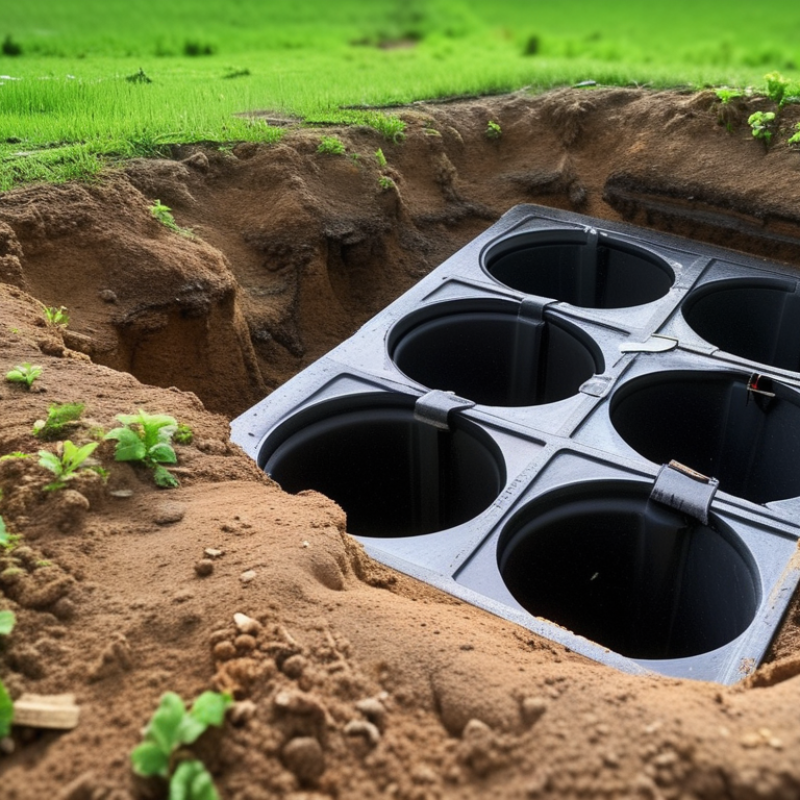
When selecting an inspection chamber, several factors come into play. The material is crucial. Common materials include concrete and plastic. Each has its pros and cons. Concrete offers durability but can be heavy and difficult to install. Plastic is lighter but may not withstand heavy loads. Consider your project’s specific requirements before making a decision.
Another factor is the size of the chamber. It must accommodate the systems it serves. A chamber that's too small can cause blockages. Too large, and it may lead to unnecessary costs. Think about the connection points and how they align with existing infrastructure. Ease of access for maintenance is also vital. Regular check-ups keep systems running smoothly.
Lastly, consider the location. Soil type and local conditions affect the choice. For example, sandy soil may require different support than clay. Reflect on these aspects to make an informed choice. Each project is unique, and understanding your specific needs can lead to a better decision.
Types of Inspection Chambers and Their Specific Uses
Inspection chambers play a crucial role in maintaining infrastructure. Understanding the different types can significantly impact functionality and efficiency. There are several types of inspection chambers, each serving specific purposes. For instance, a standard inspection chamber is often used in domestic drainage systems. These chambers allow for easy access to sewer lines. In contrast, deep inspection chambers are typically employed in larger drainage networks. They facilitate inspections of deeper pipes that are harder to reach.
Another type is the prefabricated inspection chamber. This type is gaining popularity due to its quick installation and cost-effectiveness. According to the Water Research Foundation, using prefabricated components can reduce installation time by up to 30%. Yet, while these chambers offer many advantages, they may not suit all environments. Site-specific conditions, such as soil type and water table levels, can affect performance.
Furthermore, modular systems are becoming increasingly common. They provide flexibility for future expansions or modifications. However, some experts caution that they require careful planning and expert installation. A 2022 industry report indicates a trend toward modular components to optimize maintenance routines in urban areas. As cities grow, the need for efficient inspection chambers will become even more vital.
Material Options for Inspection Chambers: Pros and Cons
Choosing the right inspection chamber depends significantly on the material used. Common materials include concrete, plastic, and metal. Each has distinct advantages and disadvantages that can influence your decision.
Concrete chambers offer durability but can be heavy and expensive. They are often preferred for high-load areas, where strength is crucial. However, they may require more effort for installation due to their weight. Plastic chambers are lightweight and resistant to corrosion. They ease installation but may not withstand heavy loads as effectively as concrete. Additionally, some plastics can degrade under sunlight, raising concerns about long-term reliability.
Metal offers strength and longevity but may be prone to rust. Galvanization can mitigate this, yet it adds to costs. Maintenance might also be more frequent with metal, especially in wet climates. Weighing these options involves considering your specific needs and conditions. Reflecting on the longevity and maintenance of each material can provide clarity. It’s vital to assess your priorities: is it durability, weight, or cost? Each choice has implications, and the best solution often requires careful thought.
Material Options for Inspection Chambers: Pros and Cons
| Material |
Pros |
Cons |
| Concrete |
Durable, fire-resistant, well-suited for heavy loads |
Heavy, labor-intensive installation, potential for cracking |
| Polymer (Plastic) |
Lightweight, corrosion-resistant, easy to install |
Less durable than concrete, may not withstand heavy loads |
| Fiberglass |
Resistant to chemicals, lightweight, low maintenance |
Can be more expensive, may not be as strong as concrete |
| Metal (Steel or Aluminum) |
Strong, suitable for heavy loads, long lifespan |
Prone to rust and corrosion if not treated, heavier than plastic |
Sizing and Dimensions: How to Determine the Right Fit
When selecting an inspection chamber, sizing and dimensions are crucial. The chamber must accommodate specific requirements based on the site's layout and the type of drainage or utilities involved. Industry reports indicate that an incorrect size can lead to various issues, such as blockages and maintenance difficulties. A detailed analysis of the expected flow rates is essential, especially for larger systems.
Consider the depth and width of the chamber. The typical depth ranges from 600 mm to 1200 mm, depending on installation conditions. The minimum width for standard applications is often around 450 mm. Inadequate width makes access challenging, and results in higher labor costs during inspections. The utility or drainage system's diameter must also guide your dimensions. For example, a 150 mm pipe typically requires a larger chamber volume for effective operation.
Moreover, the placement of the chamber plays a role in spatial constraints. Fixed standards often guide placement, but site-specific factors can complicate decisions. The ground's soil type and water table level impact stability. Reports show that 25% of installations fail due to misjudged environmental factors. Professionals recommend conducting a thorough site assessment before finalizing your choices. This ensures an effective inspection chamber that meets both functional and durability needs.
Installation and Maintenance Tips for Your Inspection Chamber
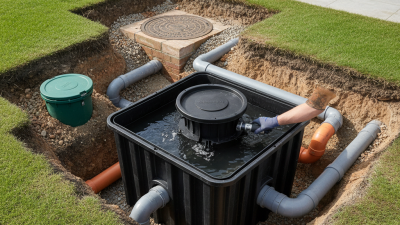
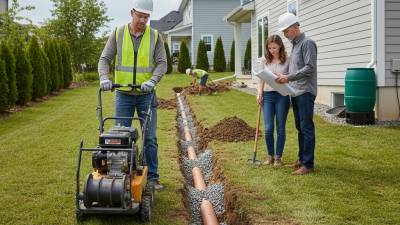
When installing an inspection chamber, proper planning is essential. The location must allow for easy access and maintenance. According to industry studies, roughly 65% of maintenance issues arise from improper installation. Ensure the chamber is positioned where blockages are least likely. Soil conditions impact durability; choose materials that can withstand local environmental conditions.
Maintenance is equally critical. Regular inspections can prevent costly repairs. Research indicates that proactive maintenance reduces chamber failure by up to 50%. An effective schedule should include visual checks and cleaning every six months. Flushing the chamber with high-pressure water can help clear any buildup. However, invasive cleaning methods can damage the structure if not handled properly.
Monitoring the condition of the chamber is important. Signs of deterioration, such as cracks or misalignment, indicate a need for immediate attention. Up to 30% of inspection chambers show signs of wear within the first five years. Paying attention to these signs can extend their lifespan significantly. Neglecting these aspects may lead to structural failures, resulting in greater repair costs.