How to Choose the Best Acoustic Panel for Your Needs?
Choosing the right Acoustic Panel can greatly enhance your space's sound quality. With so many options available, it’s essential to understand your needs. These panels can improve clarity in music, reduce noise, and create a pleasant environment.
Begin by assessing your specific requirements. Do you need panels for a studio, home theater, or office? Each setting has unique sound dynamics. Always consider the panel's material, thickness, and design. For instance, fabric-covered panels absorb higher frequencies better. While aesthetics matter, sound performance should be your priority.
It's easy to overlook certain factors when choosing Acoustic Panels. Not every expensive panel delivers superior results. Research customer reviews and expert recommendations before making a decision. Remember to test sound absorption in your own space. The right choice can transform your listening experience, while the wrong one might leave you frustrated.
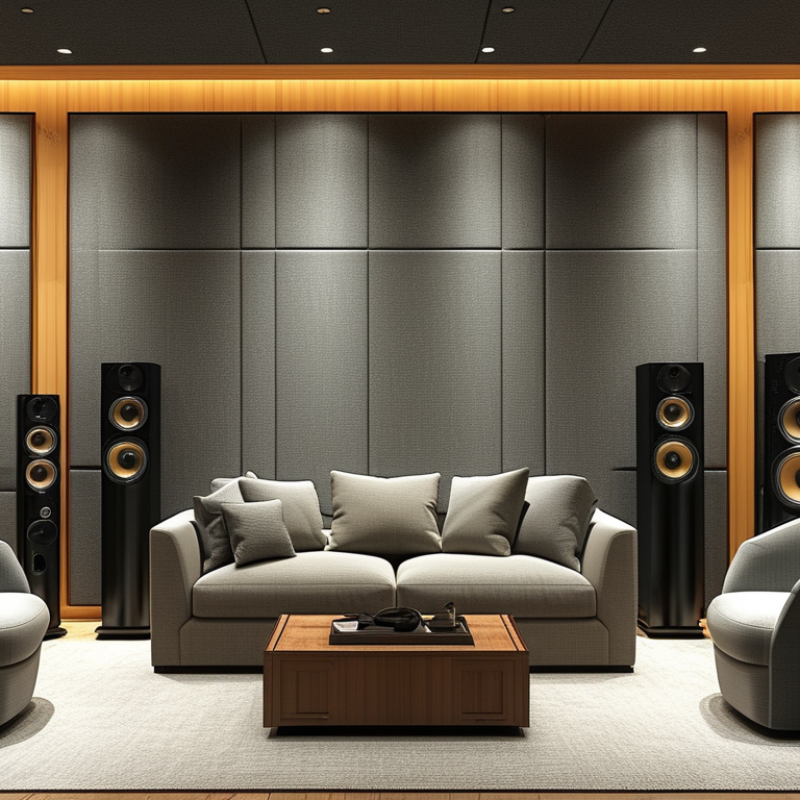
Understanding Acoustic Panels: Types and Their Functions
Acoustic panels play a critical role in sound management, particularly in spaces requiring enhanced audio clarity. Understanding the different types and functionalities of acoustic panels can significantly affect your choice. Common types include foam panels, fabric-wrapped panels, and perforated wood panels. Each type provides varying levels of sound absorption. According to a report by the National Institute of Standards and Technology (NIST), effective acoustic treatment can reduce noise levels by up to 70% in specific environments.
Foam panels are often the most accessible option. They are lightweight and easy to install. However, they may not handle lower frequencies as effectively as other types. Fabric-wrapped panels offer greater versatility in design while providing better sound absorption for mid to high frequencies. A study from the Acoustical Society of America (ASA) indicates that a combination of different panel types can optimize sound control. This approach can significantly enhance acoustic performance in recording studios or open offices.
Perforated wood panels add aesthetic value and are suitable for environments that require both form and function. However, installation can be complex. It’s also essential to reflect on the specific needs of your space before making a decision. Consider the characteristics of the room and the type of noise you're dealing with. A tailored solution will yield the best results.
Assessing Your Acoustic Needs: Spaces and Environment Considerations
When selecting the right acoustic panel, understanding your space and environment plays a crucial role. Research shows that sound can reflect off hard surfaces, leading to echoes. A report from the Acoustical Society of America notes that poorly treated spaces can experience clarity reductions of more than 50%. Identifying your needs based on space usage is vital. A home studio might require tighter control over sound frequency, while a conference room may just need to dampen reverberation.
Consider the layout of your space. High ceilings and open areas often amplify sound. The National Institute of Health suggests that adding panels to these spaces can improve sound quality significantly. Think about the material too. Fabric panels can absorb sound better than hard surfaces. Using a mix of absorption and diffusion can help achieve desired acoustics.
Tips: Evaluate your space dimensions before making a choice. Are there corners that trap sound? Test different panel placements. Each adjustment can change the acoustics dramatically. Seeking professional guidance may save time and resources. Adjusting your panels based on room use and acoustics could lead to unforeseen improvements in sound quality.
Material Matters: Comparing Foam, Fabric, and Wood Panels
Choosing the right acoustic panel involves understanding different materials. Foam panels are lightweight and often cost-effective. They are excellent for sound absorption but may lack the aesthetic appeal some users desire. Research shows that foam can reduce sound levels by up to 20 dB in certain environments. However, they might fade over time and can be difficult to clean.
Fabric panels offer a blend of functionality and design. They come in various colors and textures, making them suitable for both commercial and residential spaces. Studies indicate that fabric panels can enhance sound absorption by approximately 30%. Their maintenance can be more straightforward than foam; however, the cost may be higher.
Wood panels are another popular choice. They provide a warm sound absorption and can improve room acoustics significantly. Data suggests that when strategically placed, wood can reflect sound, adding richness to audio quality. Yet, they are typically more expensive and may require more installation effort.
Tip: Always assess the specific acoustics of your space before making a decision. Test panels in your environment to understand how they affect sound. Select materials based on durability, maintenance, and personal taste.
How to Choose the Best Acoustic Panel for Your Needs?
| Material Type | Sound Absorption Coefficient | Aesthetics | Cost (per sq. ft.) | Durability | Installation |
| Foam | 0.5 - 1.0 | Variety of colors | $1 - $3 | Moderate | Easy to install |
| Fabric | 0.6 - 1.0 | Stylish, customizable | $2 - $6 | High | Moderate, requires tools |
| Wood | 0.3 - 0.8 | Elegant, natural look | $5 - $15 | Very high | Professional installation recommended |
Measuring Effectiveness: Sound Absorption and NRC Ratings
When selecting acoustic panels, understanding sound absorption is crucial. The Noise Reduction Coefficient (NRC) measures a panel's effectiveness. NRC ratings range from 0.0 to 1.0. A higher NRC indicates better sound absorption. For example, an NRC of 0.75 means the panel absorbs 75% of sound energy. This is essential in spaces like recording studios and home theaters.
Tips for evaluating NRC ratings include checking test reports. Look for panels tested in accordance with industry standards. Avoid relying solely on marketing claims. Consider the panel's thickness and material. Thicker panels often absorb lower frequencies better. Verify the NRC in real-world conditions, as placement can affect performance.
Don’t forget about aesthetics. The design should complement your space. It’s important to choose colors and shapes that appeal to you. Some panels may look great but offer limited sound absorption. Testing different options may lead to unexpected insights. You might find that what appears effective isn't always the best for your needs. Prioritize both function and style for a balanced approach.
Installation and Aesthetics: Integration into Your Space
Integrating acoustic panels into your space is as much about aesthetics as it is about functionality. The right design can enhance a room's style while effectively reducing sound reflections. According to a study by the Acoustical Society of America, well-placed acoustic treatments can reduce noise levels by up to 50%. This highlights the importance of choosing panels that complement your interior design.
When selecting acoustic panels, consider the material and color. Foam panels, for example, come in various shapes and colors. This allows for creative placement that matches the room's theme. Wood or fabric-covered panels might add a touch of elegance, blending seamlessly with furniture. A report from the National Institute of Building Sciences suggests that integrating aesthetics with acoustic performance can improve workspace productivity by 30%.
However, achieving visual appeal with effective sound absorption is not always straightforward. The balance between form and function requires careful thought. Choosing a bold color may clash with existing decor or, worse, make the panel less effective. Installation is another consideration. Poorly installed panels can detract from their acoustic properties, leading to disappointing results. Always aim for a harmonious design that reflects both style and sound quality.
Acoustic Panel Effectiveness by Frequency Range