Choosing plasson fittings for global projects requires more than matching pipe diameters. A fitting may look correct on a warehouse shelf, yet fail when pressure, temperature, soil movement, or installation quality changes. Project teams should review the pipe material, SDR rating, operating pressure, fluid type, and expected service life together. The connection method matters too. Electrofusion fittings need compatible equipment, clean pipe surfaces, stable power, and trained technicians. Small installation errors can create expensive failures later.
Experience from international construction projects shows that regional conditions deserve careful attention. A coastal water network may require stronger corrosion planning than an inland system. A cold-climate project may need different handling procedures than a tropical installation. Confirm dimensions, pressure ratings, certificates, batch traceability, and technical support before placing large orders. Local regulations and utility specifications should also be checked against the manufacturer’s documentation. Do not rely on a catalog image alone.
A perfect checklist does not exist. This is where judgment matters. Engineers should compare approved alternatives, delivery schedules, spare-part access, and installer capability. They should also record assumptions, because overlooked details often become costly changes. Reliable sourcing means purchasing through authorized channels and inspecting fittings before installation. With documented testing and clear quality controls, plasson fittings can support demanding pipelines across different markets. The final decision should remain evidence-based, practical, and open to review.
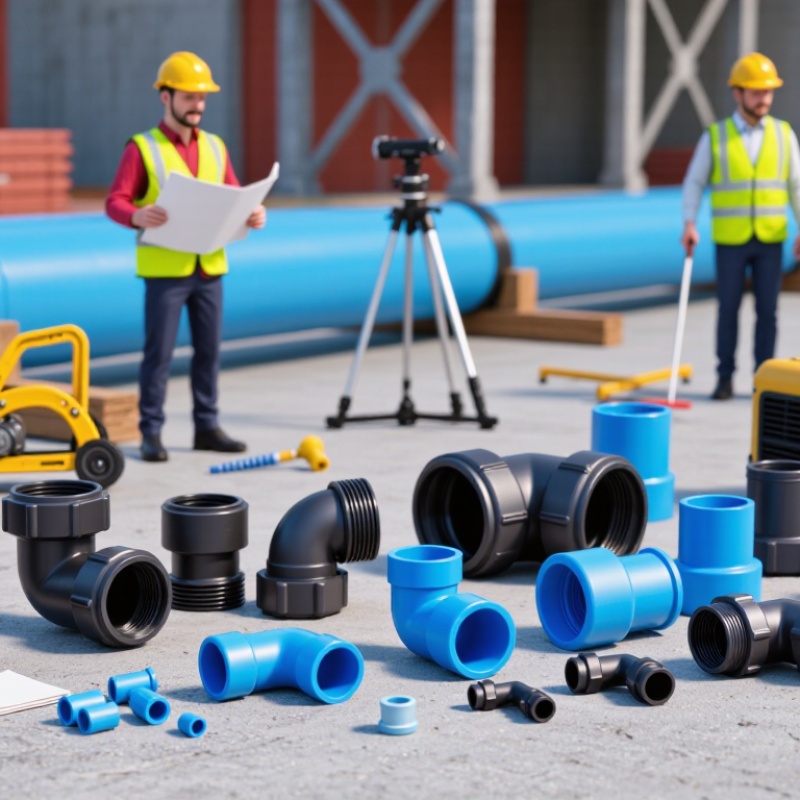
In water, gas, irrigation, and industrial piping, Plasson fittings connect polyethylene pipes without complicated site fabrication. Common types include electrofusion couplers, tees, elbows, reducers, and mechanical transition fittings. Each type solves a different alignment, pressure, or connection problem. Electrofusion uses controlled heat to bond fitting and pipe surfaces. Mechanical fittings rely on compression, seals, and careful bolt tightening. That distinction matters on remote projects.
Applications should guide the selection. Water networks may require corrosion resistance, stable pressure performance, and clean internal surfaces. Irrigation systems often need flexible layouts around pumps, filters, and uneven ground. Industrial lines demand chemical compatibility, temperature limits, and documented pressure ratings. Engineers should check pipe diameter, SDR classification, operating pressure, fluid type, and local standards before ordering. A fitting that fits physically may still be unsuitable.
Site conditions deserve equal attention. Dust, rain, cold weather, and poor pipe alignment can weaken an otherwise reliable joint. Technicians should scrape and clean electrofusion zones, control generator output, and record fusion data. For mechanical connections, torque must follow the manufacturer’s instructions rather than personal judgment. Small details matter. A perfect-looking joint is not proof of quality. Field teams should inspect samples, verify traceability, and review installation records. One practical weakness remains: project schedules sometimes encourage shortcuts, especially when replacement parts are far away. Planning for that risk is wiser than trusting an ideal installation.
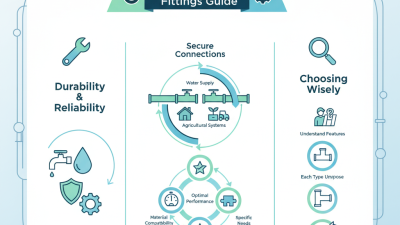
Choosing fittings for an international pipeline starts with project requirements, not catalog size. Define the conveyed fluid, design pressure, temperature, flow rate, pipe diameter, SDR, and expected service life. Drinking water projects need certified materials and controlled taste or odor performance. Industrial lines may require resistance to chemicals, abrasion, or higher temperatures.
Pipeline conditions can change the decision quickly. A buried PE pipeline may face ground movement, traffic loads, thermal expansion, and uneven trench support. A coastal installation adds salt exposure. A mountain route may create pressure surges at low points. The U.S. EPA’s 7th Drinking Water Infrastructure Needs Survey estimates $625 billion in required investment over 20 years. That scale makes leakage prevention and maintainability practical priorities, not paperwork.
Check compatibility with the pipe material and joining method. Review butt fusion, electrofusion, mechanical restraint, and transition requirements against applicable standards, such as ISO 4427. Confirm pressure ratings after temperature derating, especially in hot climates. Field records should include batch traceability, fusion parameters, torque values, and inspection results. Small details matter. I have seen project teams overfocus on nominal diameter and undercheck installation access. That choice can complicate repairs later. A careful selection should also test real site samples when soil, water chemistry, or recycled feedstock creates uncertainty. Reports guide decisions, but site evidence must challenge them.
Matching fitting pressure capability with PE100 pipeline conditions and SDR class
For PE100 systems at a reference temperature of 20°C, the nominal pressure relationship is commonly associated with the pipe SDR class: SDR11 corresponds to PN16, SDR17 to PN10, SDR21 to PN8, and SDR26 to PN6.3. Select fittings that match the pipe SDR, required operating pressure, temperature, fluid, joining method, and applicable regional standards. Actual allowable pressure may be reduced by temperature, surge, installation conditions, and service requirements.
How to Choose Fittings for Global Projects
Material compatibility should guide every fitting decision. Match the fitting material with the pipe, transported fluid, temperature, and pressure conditions. Polyethylene systems suit many water and gas applications, but chemical exposure can change performance. Check resistance charts, not assumptions. Also review ultraviolet exposure, soil conditions, and possible thermal movement. A fitting may appear suitable while its sealing element is not. This detail is easy to miss.
Size selection requires more than matching pipe diameter. Confirm the outside diameter, wall thickness, SDR rating, and pressure class. A 110 mm pipe may not accept every 110 mm fitting. Measure actual pipe dimensions at the site. Then verify tolerances in the technical documentation. For a high-pressure water line, a compatible reducer should maintain the required pressure rating. Small differences matter.
Connection type should fit the installation method and local skill level. Electrofusion provides a compact joint, but it needs clean surfaces, controlled scraping, stable power, and trained operators. Compression connections can simplify repairs, especially where tools are limited. Flanged transitions help connect valves or metal equipment. Threaded interfaces need careful sealing and corrosion control. Global projects also require compliance with applicable standards and clear traceability documents. A trial assembly can reveal problems before shipment. We often underestimate that step. Rechecking the specification after installation begins is not inefficient; it is responsible engineering.
How to Choose Plasson Fittings for Global Projects?
Evaluating Standards, Certifications, and Supplier Reliability
Global fitting selection starts with the project standard, not the catalogue. For polyethylene systems, compare ISO 4427, EN 12201, ASTM F714, or AS/NZS 4130 requirements. Confirm pressure ratings, dimensional tolerances, fusion compatibility, and temperature limits. A fitting may meet one standard but fail another project specification.
Certification evidence needs careful checking. The WHO and UNICEF Joint Monitoring Programme reported that 2.2 billion people lacked safely managed drinking water in 2022. This increases the importance of verifiable materials for water infrastructure. For potable applications, review approvals such as NSF/ANSI/CAN 61, WRAS, or local equivalents. The ISO Survey of Certifications 2022 recorded more than 1.2 million ISO 9001 certificates worldwide. However, certification alone does not prove consistent fitting quality. Check the certificate scope, issuing body, expiry date, and manufacturing location.
Supplier reliability appears in small details. Request batch numbers, material-grade records, pressure-test results, and fusion procedure data. Visit the factory when project value justifies it. Ask how nonconforming products are isolated and reported. A supplier should explain lead times, spare-part policies, and change-control procedures clearly. I also compare two recent project references, not only polished testimonials. Paperwork is not performance. A certificate can age. Even experienced buyers sometimes overlook storage conditions, which can damage packaging and affect installation readiness. Keep that risk visible.
| Evaluation Dimension | Applicable Requirement or Reference | What to Verify | Recommended Acceptance Criteria | Project Risk if Not Verified |
|---|---|---|---|---|
| Application and Fluid Compatibility | Potable water, wastewater, industrial fluids, or gas service must be identified before selection. | Pipe material, transported medium, temperature, pressure, chemical exposure, and intended service life. | A written compatibility assessment confirms that the fitting material and seals are suitable for the complete operating range. | Premature degradation, leakage, or non-compliance with local regulations. |
| Polyethylene Piping Compatibility | ISO 4427 or EN 12201 for polyethylene water systems; ISO 4437 for polyethylene gas systems where applicable. | Outside diameter series, SDR, pressure class, PE grade, jointing method, and dimensional tolerances. | Fitting dimensions and pressure designation match the project pipe system and approved design calculations. | Incorrect fit, reduced pressure capacity, or failed joint performance. |
| Electrofusion Performance | ISO 8085, ISO 11413, ISO 12176, and ASTM D3261 may be relevant depending on the market and project specification. | Fusion-zone design, heating-wire control, socket dimensions, fusion parameters, and compatibility with the electrofusion processor. | Documented fusion parameters, qualified procedures, traceable production testing, and compatibility with the approved equipment. | Incomplete fusion, joint failure, installation delays, or difficult field troubleshooting. |
| Butt-Fusion and Fabricated Components | ISO 21307 and ISO 12176-1 are commonly referenced for butt-fusion procedures and equipment. | Wall thickness, heating and cooling requirements, alignment tolerances, and qualified welding procedures. | The component design is supported by an approved procedure and qualified personnel where required by the contract. | Misalignment, poor bead formation, weak joints, or rejection during inspection. |
| Potable-Water Approval | Use the destination market’s recognized drinking-water contact requirements, such as NSF/ANSI/CAN 61 or an equivalent national scheme. | Certificate scope, product family, material formulation, nominal size range, and certificate validity. | The exact fitting type and material are covered by a current approval accepted by the project authority. | Regulatory rejection, commissioning delays, or restrictions on use in drinking-water systems. |
| Gas-System Compliance | ISO 4437 and applicable national gas-network regulations should be checked for polyethylene gas applications. | Gas-service rating, electrofusion requirements, material classification, and approval by the local utility or authority. | Written approval covers the intended gas type, pressure range, fitting configuration, and installation method. | Unsafe operation, failed authority approval, or severe service and liability exposure. |
| Quality Management System | ISO 9001 is a quality-management certification framework, not a product-performance approval. | Certificate issuer, scope, manufacturing site, validity period, and audit status. | The certificate is current, independently issued, and covers the site and activities relevant to the supplied fittings. | Inconsistent process control, weak corrective actions, and limited audit confidence. |
| Environmental Management | ISO 14001 may be requested for environmental-management controls. | Certificate scope, environmental objectives, waste controls, and applicable legal-compliance records. | Environmental certification and documentation are aligned with the project’s sustainability and procurement requirements. | Additional approval work, sustainability reporting gaps, or contract non-compliance. |
| Traceability | Project quality plans commonly require batch-level traceability for pressure-system components. | Mold or batch number, production date, raw-material identification, inspection records, and packaging labels. | Every shipment can be linked to production, raw materials, inspection results, and the applicable technical documentation. | Difficult root-cause analysis, disputed responsibility, and costly field replacement. |
| Testing and Inspection Records | Use the product standard and contract inspection plan to define required tests. | Dimensional inspection, visual examination, pressure or leak testing, material verification, and sampling frequency. | Reports identify the product, batch, test method, acceptance limits, date, and responsible inspector. | Unverified conformity and possible rejection at factory or site inspection. |
| Supplier Capacity and Lead Time | The supply plan should reflect project quantities, approved alternates, manufacturing capacity, and shipping time. | Capacity statement, historical on-time delivery data, production slots, inventory policy, and logistics plan. | A documented schedule includes production, inspection, export documentation, transport, and contingency time. | Installation stoppages, liquidated damages, and expensive expedited freight. |
| Technical Support and Installation Training | Installation must follow the relevant joining standard, approved method statement, and local utility requirements. | Installation manuals, fusion parameter guidance, troubleshooting procedures, training records, and field-support availability. | Technical support is available in the project time zone, and installers can access current controlled documents. | Higher installation error rates and longer response times for site problems. |
| Warranty and Nonconformance Handling | Warranty terms should be reviewed together with contract liability, storage conditions, and installation responsibilities. | Warranty duration, exclusions, claim process, response time, corrective-action procedure, and replacement policy. | Terms are written, project-specific, and supported by a defined process for investigation, replacement, and close-out. | Prolonged disputes, unclear liability, and increased lifecycle cost. |
| Documentation and Export Readiness | Documentation must satisfy the importing country, customs process, consultant, and end-user requirements. | Datasheets, drawings, certificates, inspection reports, packing lists, certificates of origin, and translated documents where required. | The document register is complete, revision-controlled, consistent with shipped products, and submitted before approval deadlines. | Customs delays, submittal rejection, and inability to release materials for installation. |
| Overall Supplier Decision | Use a documented technical and commercial evaluation rather than price alone. | Standards compliance, certificates, quality records, delivery performance, technical support, warranty, and total landed cost. | Approve only after all mandatory requirements pass and medium- or high-risk gaps have documented mitigation actions. | A low purchase price may result in higher installation, compliance, delay, and lifecycle costs. |
Choosing fittings for an international pipeline project requires more than checking diameter and pressure ratings. Site conditions matter. Soil movement, temperature changes, water chemistry, and installation access can affect performance. I usually begin with a project matrix covering pipe material, outside diameter, pressure class, joint type, and local standards. A neat drawing can still hide a poor connection.
During installation, keep fittings capped until use. Remove dust, moisture, and sharp particles from every joining surface. Confirm alignment before applying electrofusion or mechanical restraint. Record operator names, equipment settings, ambient temperature, and joint numbers. Small records become valuable evidence when a test result looks unusual. Do not rush this stage.
Testing should follow the approved procedure, with calibrated gauges and controlled pressure increases. Inspect visible joints during the hold period. A failed test may indicate incorrect preparation, not a defective fitting. That distinction saves time. Long-term maintenance needs access points, valve identification, and clear as-built records. Schedule inspections around pressure changes, ground settlement, and unusual flow readings. Replacement parts should match the original specifications, not only the apparent size. I have seen maintenance teams overlook buried transitions because the surface looked stable. That assumption was wrong. Plan for inspection before the pipeline disappears underground.