Why Choose Blue Water Pipe for Your Next Project?
Choosing the right materials for a project is crucial. One option that stands out is the blue water pipe. Known for its durability and efficiency, it is quickly gaining popularity across various industries. In today’s competitive market, selecting the right pipes can significantly impact the project's success. The blue water pipe offers reliability that many other options cannot match.
With numerous projects relying on efficient water transport, the choice of pipes must be thoughtful. Blue water pipes are designed to withstand harsh conditions. Their ability to resist corrosion and wear makes them a preferred choice for many professionals. However, it is essential to consider the specific requirements of each project. Not all blue water pipes are created equal; quality can vary significantly.
Experience tells us that investing in high-quality materials pays off in the long run. While there may be cheaper alternatives, they often lead to costly repairs and replacements. Reflecting on past experiences, the choice of blue water pipes emerges as a wise decision. Their advantages far outweigh the drawbacks. When it comes to your next project, blue water pipe can provide the reliability and performance you need.
Advantages of Blue Water Pipe Over Traditional Materials
When considering materials for plumbing projects, Blue Water Pipe stands out for several reasons. Unlike traditional materials like metal and PVC, Blue Water Pipe offers enhanced durability and flexibility. It can withstand extreme temperatures and pressures, reducing the risk of leaks and breakage. This durability translates to lower maintenance costs over time.
Another advantage is the lightweight nature of Blue Water Pipe. It is easier to install, reducing labor costs and effort. Transporting this material is also simpler, which can save time on project execution. However, some may question its long-term performance compared to metal alternatives. Test cases show promising results in various environments, but manufacturers advise regular inspections.
Moreover, Blue Water Pipe is resistant to corrosion, a significant advantage in humid or chemically aggressive conditions. While traditional materials can deteriorate, Blue Water maintains its integrity longer. Yet, the initial investment may be higher. Evaluating the long-term benefits is crucial. In summary, Blue Water Pipe offers many advantages that should be carefully considered for any plumbing project.
Advantages of Blue Water Pipe Over Traditional Materials
This chart illustrates the advantages of using Blue Water Pipe compared to traditional materials across various dimensions such as durability, cost efficiency, weight, corrosion resistance, and installation ease. Each advantage is scored on a scale of 1 to 10, highlighting Blue Water Pipe's strong performance in these areas.
Durability and Longevity of Blue Water Pipe in Various Conditions
Blue water pipes stand out for their unmatched durability in various environments. They resist corrosion, which is a common challenge in many projects. This quality makes them ideal for both urban and rural settings. In harsh climates, they maintain structural integrity over time. They withstand temperature fluctuations without cracking. This resilience ensures a reliable performance that is often underappreciated until problems arise.
The longevity of blue water pipes can be attributed to their material composition. They don’t degrade like other pipes may do after years of exposure. This aspect can save costs on replacements and repairs. However, installation requires attention to detail. Poor installation can undermine even the best materials. Water pressure and alignment are crucial factors frequently overlooked. Investing time in these areas can lead to better outcomes.
Though blue water pipes are robust, occasional failures can occur. They are not invincible. Recognizing potential issues early can prevent costly downtime. Regular inspections can help maintain functionality and catch signs of wear. Even the most durable materials need proactive care to maximize their life.
Why Choose Blue Water Pipe for Your Next Project? - Durability and Longevity of Blue Water Pipe in Various Conditions
| Condition |
Durability Rating (1-10) |
Expected Lifespan (Years) |
Corrosion Resistance (High, Moderate, Low) |
Temperature Tolerance (°C) |
| Fresh Water |
9 |
50 |
High |
0 to 60 |
| Waste Water |
8 |
30 |
Moderate |
-20 to 50 |
| Ocean Water |
7 |
20 |
Low |
0 to 40 |
| Chemical Resistance |
8 |
25 |
Moderate |
-10 to 70 |
| Extreme Weather |
9 |
40 |
High |
-30 to 80 |
Cost-Effectiveness of Using Blue Water Pipe in Construction Projects
When it comes to construction projects, cost-effectiveness is a primary concern. Blue water pipe stands out as an affordable choice. These pipes provide durability and longevity, reducing the need for frequent replacements. This can save money in the long run. They are designed for efficient water transport, minimizing wasted resources during usage.
Installation costs also play a significant role. Blue water pipes are lightweight, making them easier to handle. This can lead to lower labor costs as well. Skilled workers can complete installations faster, which further cuts expenses. However, some may find initial investment higher than alternatives. It is important to consider overall savings versus short-term costs.
Long-term sustainability is another factor. These pipes can withstand harsh conditions, which is crucial for many projects. They require less maintenance, leading to additional cost savings over time. Yet, one must evaluate if they fit specific project needs. Not every project will benefit equally from blue water pipe. Reflecting on past experiences can help in making a wise choice.
Environmental Benefits of Choosing Blue Water Pipe Solutions
Choosing blue water pipes for your projects offers significant environmental advantages. Research indicates that these pipes reduce greenhouse gas emissions by up to 30% compared to traditional materials. By using materials that are lighter and require less energy to transport, blue water pipes contribute to lower carbon footprints.
Moreover, the installation of blue water pipes typically involves fewer excavation needs. A report from the Environmental Protection Agency suggests that minimizing soil disruption helps maintain local ecosystems. With less noise and dust pollution during installation, communities benefit from a more seamless construction process.
Despite these benefits, some professionals express concerns about the long-term durability of blue water pipes. Questions remain regarding their resistance to certain environmental factors. Research is ongoing to improve these features, but it is essential to weigh the pros and cons when making choices. Choosing a more sustainable option requires careful consideration of these factors to ensure both effectiveness and longevity.
Variety of Applications for Blue Water Pipe in Modern Engineering
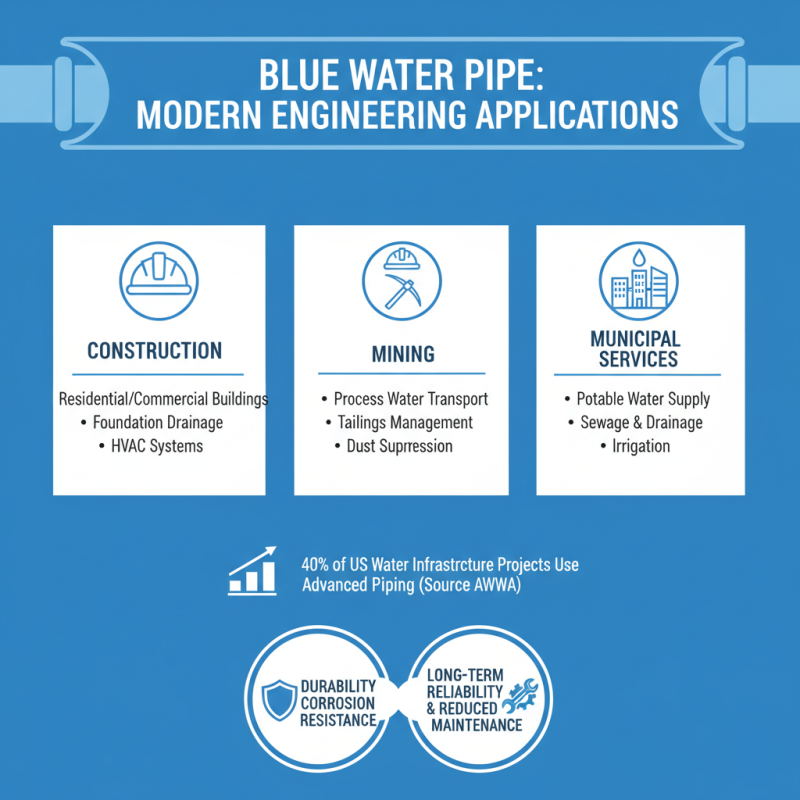
Blue water pipes are increasingly recognized for their versatility in modern engineering applications. They can be utilized in various sectors, including construction, mining, and municipal services. A recent report from the American Water Works Association indicates that around 40% of water infrastructure projects are now using advanced piping solutions, such as blue water pipes, due to their durability and resistance to corrosion. This is important for ensuring long-term reliability and reducing maintenance costs over time.
In construction, blue water pipes play a crucial role in supplying potable water. They are often preferred for their strength and lightweight nature, making installation easier and more efficient. According to industry estimates, projects using these pipes can save up to 15% in labor costs. However, it's essential to consider the specific environmental conditions where pipes will be installed. Local soil chemistry and temperature fluctuations can impact the performance of the pipes significantly.
Tips: Always perform a site assessment to understand local factors. This can prevent potential issues down the line. Furthermore, collaborating with engineering experts familiar with blue water pipe technology can yield better project outcomes. With the right approach, these pipes can enhance project efficiency and sustainability.