How to Choose the Best Grass Reinforcement Mesh for Your Lawn?
Choosing the right grass reinforcement mesh is essential for your lawn's health and aesthetics. This mesh provides support to grass roots, preventing wear and tear in high-traffic areas. It also enhances drainage and promotes a lush green appearance.
When selecting grass reinforcement mesh, consider factors such as durability and material type. Some meshes are more resilient than others. The mesh should withstand the elements and not degrade quickly. It’s important to visualize how the mesh fits your lawn's layout and usage patterns.
Some homeowners overlook the importance of proper installation. Even the best mesh won't help if installed incorrectly. Reflecting on your lawn's needs will guide you towards the best choice. Don't rush the decision; take time to gather information and compare options. Your lawn deserves the best.
Understanding Grass Reinforcement Mesh: Definition and Purpose
Grass reinforcement mesh is essential for maintaining a healthy lawn. This type of mesh supports grass growth while preventing soil erosion. It helps manage foot traffic, reducing the impact on turf. Studies have shown that lawns using reinforcement mesh sustain 30% more foot traffic than those without it.
Understanding its purpose is crucial. Grass reinforcement mesh improves drainage and prevents muddy conditions. In regions with heavy rainfall, this feature is vital. It offers stability for grassy areas, minimizing mud and ruts. However, poor installation can negate these benefits. Many users overlook the importance of proper laydown methods.
Choosing the right mesh can be complicated. Not every type fits all situations. The thickness, material, and design play significant roles in effectiveness. Reports indicate that mesh designed for heavy use can last significantly longer than lighter options. Users should consider local climate and grass type. The wrong choice could lead to uneven growth or turf damage.
How to Choose the Best Grass Reinforcement Mesh for Your Lawn?
| Mesh Material |
Weight (g/m²) |
Load Capacity (ton/m²) |
UV Resistance |
Installation Ease |
| Plastic (HDPE) |
300 |
20 |
High |
Easy |
| Plastic (PP) |
450 |
30 |
Medium |
Moderate |
| Fiberglass |
500 |
35 |
Very High |
Difficult |
| Steel |
700 |
50 |
High |
Very Difficult |
Key Features to Consider in Grass Reinforcement Mesh Selection
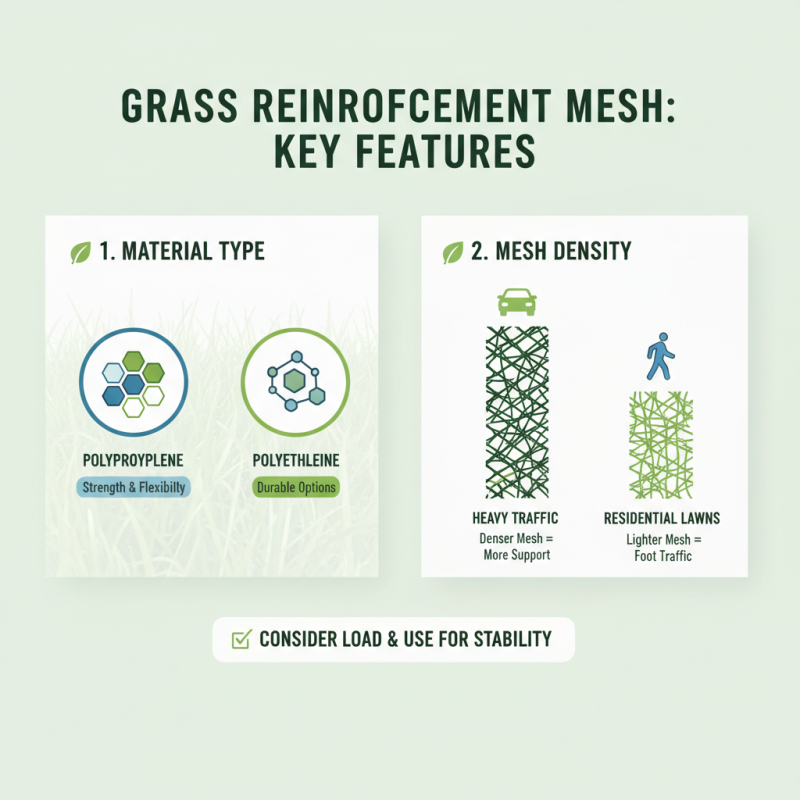
When selecting grass reinforcement mesh, several key features should be considered. First, the material type is crucial. Look for durable options like polypropylene or polyethylene. These materials provide strength and flexibility. Mesh density affects load distribution and stability. A denser mesh will support heavier traffic, while a lighter option may be suitable for residential lawns.
Another vital aspect is the mesh design. Some designs feature larger openings, allowing better drainage and grass growth. Others have a finer grid which offers uniformity but may retain more water. Assess the soil type in your lawn; not all meshes suit every environment. The turf’s health can resonate with the right choice.
You might want to reflect on installation ease too. Some meshes are simpler to install than others, but this may impact your choice. Consider your skill level and available tools. A complex installation might yield a better long-term outcome, but it requires commitment. Finally, budget is another pressing concern. High-quality options may cost more but could save you money in repairs later. Balancing quality and cost is essential for a successful lawn project.
Evaluating Material Types: Polypropylene vs. Geotextile Options
When it comes to grass reinforcement mesh, choosing the right material is crucial for your lawn's health. Two popular options available are polypropylene and geotextile. Both have their merits and drawbacks. Polypropylene is known for being lightweight and easy to install. It provides good support for light foot traffic but may degrade under harsh conditions.
On the other hand, geotextiles are engineered for durability. They offer excellent drainage and soil stabilization. However, installation can be more complex. The right choice often depends on your lawn's specific needs. For example, a sandy soil might benefit more from geotextiles. Yet, if your lawn faces minimal traffic, polypropylene could suffice.
Bear in mind that each material has its limitations. You might find that polypropylene works well initially but fades over time. Geotextiles might seem too robust for lighter applications. It's essential to reflect on your lawn's usage patterns before making a decision. Consider the long-term implications of your choice for a truly thriving lawn.
Comparison of Grass Reinforcement Mesh Material Types
Assessing Load-Bearing Capacity and Environmental Impact Ratings
When selecting grass reinforcement mesh, assessing load-bearing capacity is vital. Industry reports indicate that many meshes can withstand at least 500 kilograms per square meter. This capability is essential for high-traffic areas, like driveways or parking spaces. Knowing this data allows homeowners to make informed decisions about their lawn’s needs.
Environmental impact ratings are another crucial factor. Studies show that 75% of grass meshes are made from recycled materials, promoting sustainability. A mesh with high perforation rates allows water and nutrients to reach the roots, supporting healthier grass growth. However, not all products are created equally. Some may degrade faster than expected, leading to premature replacement and waste.
Choosing the right mesh involves understanding both load capacity and environmental effects. Some users report that initial costs do not reflect long-term efficiency. Inexperienced buyers often overlook maintenance needs, which can affect durability. A thorough approach is necessary for sustainable lawn solutions.
Installation Techniques and Maintenance Guidelines for Optimal Performance
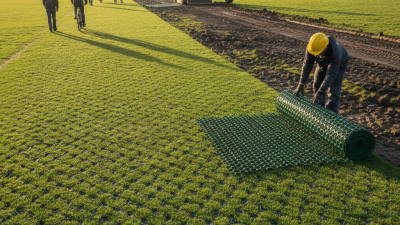
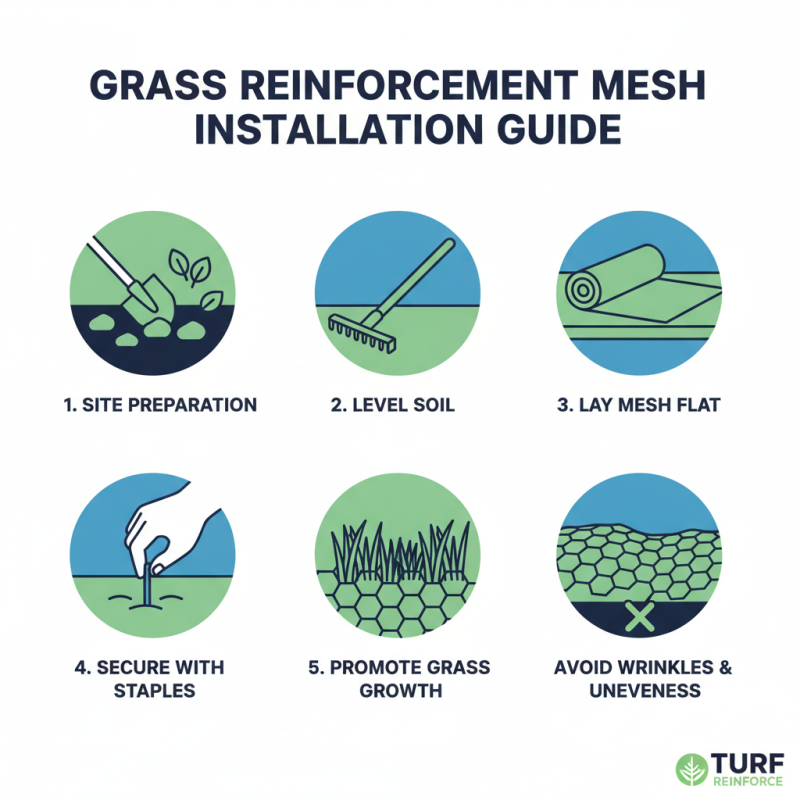
When installing grass reinforcement mesh, attention to detail is key. Begin with a well-prepared site. Clear away debris and ensure the soil is level. The mesh should lay flat without wrinkles. If you notice any uneven areas, this can lead to poor grass growth later on. Use landscape staples to secure the mesh firmly in place.
After installing the mesh, proper maintenance is crucial for optimal performance. Regularly check for any damage or lifting at the edges. Ensure that drains are not blocked, as standing water can weaken the structure. Water the area adequately, but avoid over-saturation, which can lead to moss or algae growth. It’s easy to overlook these small details, but they can affect the overall health of your lawn.
Consider periodic assessments of grass growth. If certain areas are struggling, rethink your watering or sunlight exposure. Remember, grass does not always grow uniformly, and some patches may need more care than others. Maintaining a lush lawn requires patience and a bit of trial and error.