How to Choose the Best Die Punching Machines for Your Needs?
Choosing the right Die Punching Machines can significantly impact your production efficiency. Expert Mark Robinson, a leading figure in the die-cutting industry, once said, "The right machine can streamline processes and enhance output." This emphasis highlights the importance of making informed decisions.
Selecting a die punching machine involves various factors. The size, type, and material compatibility all matter. Understanding these aspects helps narrow down choices. For instance, specific jobs may require machines that handle different materials like cardboard or metal. Your unique needs will dictate the best fit.
It’s easy to overlook essential features. Many buyers focus solely on price while ignoring machine durability and maintenance costs. Reflecting on these points will elevate your selection process. Each choice should align with your production goals. In an industry with ever-evolving technology, staying informed is crucial for success.
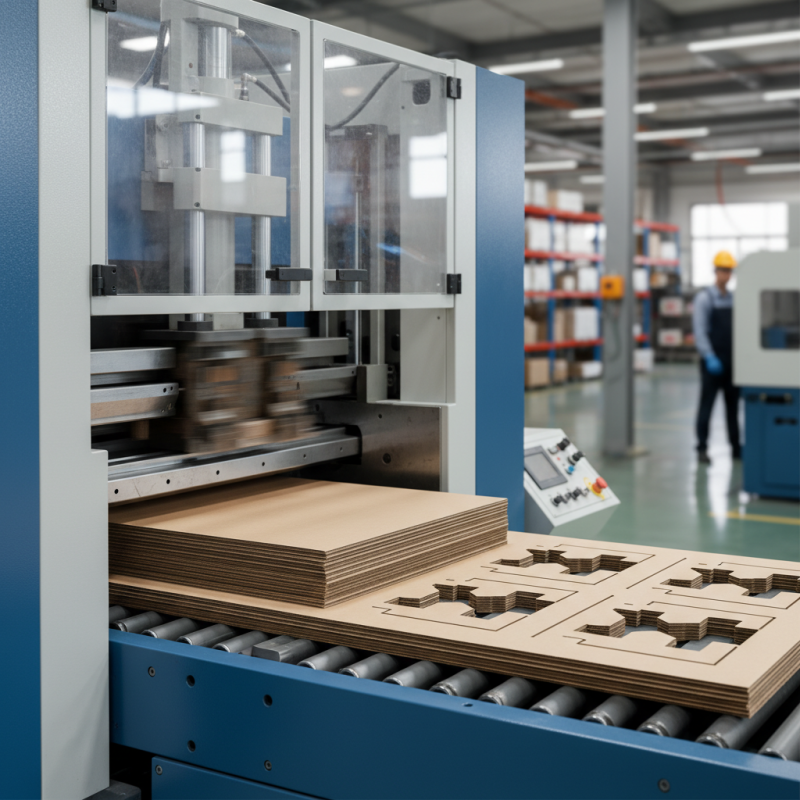
Understanding the Different Types of Die Punching Machines Available
When selecting a die punching machine, it's crucial to understand the various types available. Hydraulic die punching machines offer significant power for larger tasks. They excel in cutting through thick materials. However, they tend to be more expensive and can require more maintenance.
On the other hand, mechanical die punching machines are often faster and more efficient for high-volume production. They work well with thinner materials. These machines are generally more compact, making them suitable for smaller workspaces. However, they may struggle with thicker substrates, limiting their versatility.
Another option is the servo-driven die punching machine. These machines provide flexibility and precision. They adjust speed and pressure automatically based on material thickness. While they can be pricier, their efficiency makes them a long-term investment worth considering. Each type has its strengths and limitations. Understanding these can guide you in making the right choice for your specific needs.
Evaluating Your Production Requirements and Specifications
When evaluating die punching machines, understanding your production requirements is crucial. Consider the material thickness you will be working with. Different machines handle various thickness levels. Too light a machine may struggle, while too heavy a machine could waste resources.
Another critical specification is the production speed. Measure how many units you need per hour. Having a machine that meets your speed requirement can significantly impact productivity. You might find devices that excel in speed but lack precision. This trade-off should be carefully considered.
**Tips:** Always consult with industry experts. They provide unparalleled insights into machine capabilities. Look for user reviews that discuss long-term performance. This feedback can be invaluable and offer a realistic view of the machine's reliability in a production setting. Don't ignore the importance of after-sales support either; equipment maintenance is key to sustaining production efficiency.
Production Requirements Evaluation for Die Punching Machines
Key Features to Look for in Die Punching Machines
When selecting die punching machines, there are essential features to consider. Durability is crucial; machines should withstand rigorous use without frequent breakdowns. Look for a robust frame and high-quality components. This enhances reliability and reduces downtime. Adjustability is another key feature. Machines that offer variable settings allow you to tackle different materials and thicknesses. This flexibility is vital in a dynamic production environment.
Next, consider the ease of operation. User-friendly controls and clear displays can save significant time during setup. A machine that is intuitive will lead to a quicker learning curve for operators. Safety features cannot be overlooked. Emergency stops, guards, and sensors protect users from accidents during operation. These elements contribute to a safer workplace.
Lastly, maintenance is a factor to keep in mind. Some machines may require more upkeep than others. Regular maintenance can prevent costly repairs down the line. Assessing these features ensures you choose a machine that fits your unique needs. Take your time to reflect on what matters most for your production line.
Assessing the Cost vs. Value of Die Punching Machines
When considering die punching machines, the cost and value relationship is crucial. Price tags can vary significantly based on features and capabilities. An inexpensive machine might seem appealing, but it may lack durability or precision. For businesses, reliability is vital. Investing a little more might yield better results in the long run. Consider potential repair costs, production delays, and wastage from lower quality machinery. These factors can drive your total expense much higher than the initial purchase price.
Take a close look at your production needs. A high-speed machine may not be necessary for small operations. An average model with moderate speed could suffice. Analyze your production volume and frequency of use. If the machine will be operated daily, value becomes more important than upfront costs. Focusing on features like ease of use, maintenance, and the availability of parts can further influence your decision. Sometimes, too many features can complicate operations without adding real benefits.
Reflect on your unique requirements. Your ultimate goal should be to enhance efficiency without overspending. Choose a machine that supports your objectives and adapts to your workflow. Balancing cost and value is not straightforward. The perfect machine might require more discernment than anticipated, but patience will lead to a smarter investment.
Identifying Reliable Manufacturers and After-Sales Support
When selecting a die punching machine, identifying manufacturers with proven reliability is critical. You want a company that has experience in the industry. Look for manufacturers with a history of quality products. Reviews and testimonials from past customers can provide valuable insights. This information often reveals the longevity and performance of the machine.
After-sales support is another vital aspect to consider. A good manufacturer offers comprehensive service once the sale is completed. This includes warranty options and maintenance services. Knowing you have support can ease concerns about long-term use. However, not all companies provide the same level of assistance. Some may have slow response times or limited resources.
Assessing the manufacturer's reputation can offer a clearer picture. It helps to check online forums and industry groups. These platforms often reflect real experiences from users. This feedback is crucial in the decision-making process. Making an informed choice requires diligence in research. The right machine can significantly impact your production efficiency. So, take the time to understand each aspect thoroughly.