China Best Non Woven Geotextile Supplier?
Choosing the China best non woven geotextile supplier requires more than comparing factory prices. It demands evidence.
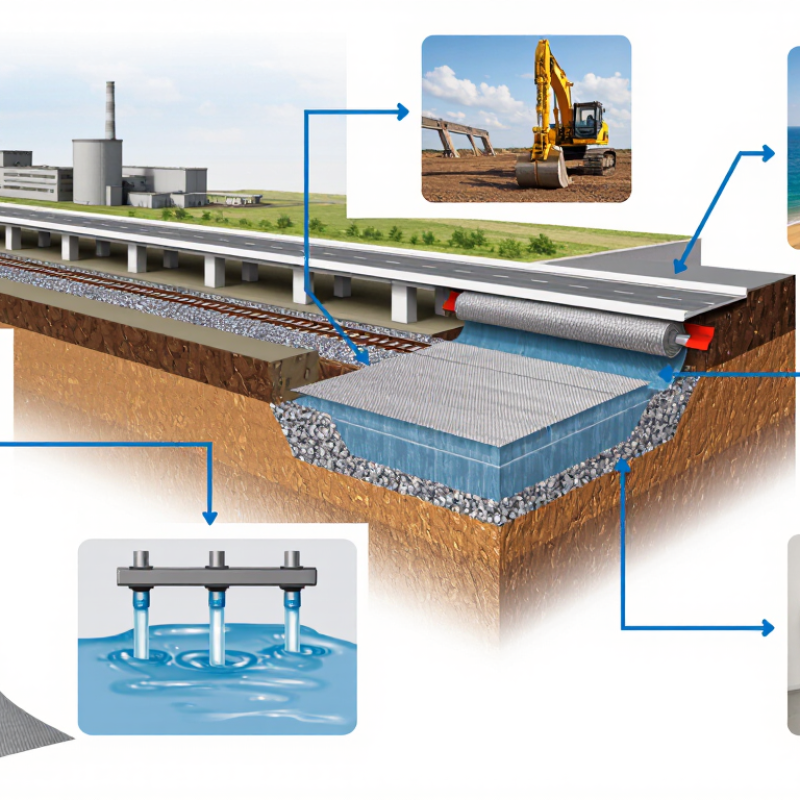
Non woven geotextile is widely used beneath roads, railways, drainage layers, landfills, and coastal protection systems. Its needle-punched fibers create separation, filtration, drainage, and reinforcement functions. The wrong fabric can clog, tear, or lose performance during installation.
Grand View Research estimated the global geotextiles market at approximately USD 7.1 billion in 2023. Its report also projects steady growth through 2030. MarketsandMarkets reports similar expansion, although its figures cover a broader geosynthetics category. The difference matters. Report boundaries are not identical.
Professor George R. Koerner, a leading geosynthetics specialist, stated, “The geosynthetic must be selected based on the function it is expected to perform.” That principle remains practical. A supplier should explain tensile strength, puncture resistance, apparent opening size, permeability, and mass per unit area. Product labels alone are insufficient.
A reliable Chinese manufacturer should provide traceable raw materials, stable production records, laboratory test results, and project references. Factory visits can reveal details that brochures hide. Check the needle-punching line. Inspect roll edges. Ask how the supplier controls thickness variation.
Cost still matters. It should not lead the decision.
This guide examines leading Chinese suppliers through technical capability, certification, customization, delivery reliability, and application experience. Some rankings may remain subjective. No single supplier fits every project. Site soil, water flow, loading conditions, and installation quality can change the answer.
What Is Non Woven Geotextile and Where Is It Used?
Non woven geotextile is a permeable synthetic fabric made from randomly arranged fibers. Heat, chemicals, or needle punching can bond these fibers together. The result is a flexible sheet that allows water to pass while controlling soil movement.
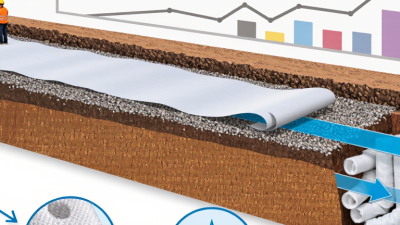
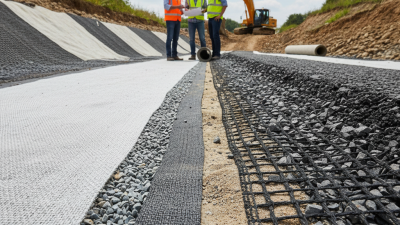
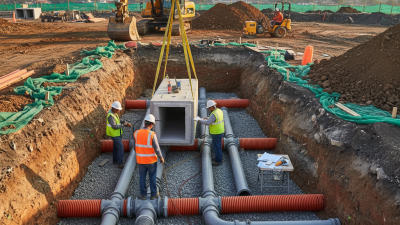
On construction sites, it often separates fine soil from gravel beneath roads, driveways, and railway foundations. This separation helps prevent aggregate from sinking into soft ground. The fabric also supports drainage around retaining walls, sports fields, and land drainage channels. In erosion control, it can protect soil beneath riprap or vegetation. Its filtering action matters near pipes, where blocked drainage can create costly repairs.
A practical installation begins with removing sharp stones and spreading the fabric without folds. Overlap joints according to the project design. Secure edges before placing aggregate. Water flow, soil type, load, and ultraviolet exposure should guide the product selection. A strong-looking fabric is not automatically suitable.
Laboratory data helps, but field conditions can disagree. I would check tensile strength, puncture resistance, apparent opening size, and permeability before purchasing. Small trial sections are useful on uncertain ground. Even experienced teams can misjudge required overlap or drainage capacity. That mistake is worth acknowledging early. When sourcing non woven geotextile from China, request current test reports, production details, and samples. Independent verification remains sensible for major infrastructure projects.
How to Evaluate a Non Woven Geotextile Supplier in China
China Best Non Woven Geotextile Supplier?
How to Evaluate a Non Woven Geotextile Supplier in China
A reliable supplier should understand your soil, drainage, and installation conditions. Do not judge quality from photos or a low quotation. Request samples with stated weight, thickness, tensile strength, puncture resistance, and permeability. Compare the test results with your project specification. Small differences can affect separation performance on wet ground.
Factory experience matters. Ask how long the production lines have operated and which markets they serve. Check whether raw materials are controlled from purchase to final packing. A serious supplier should provide batch records, laboratory reports, and clear inspection procedures. During a factory visit, observe needle-punching equipment, storage areas, and roll packaging. Dusty storage can create avoidable problems.
A sample should be tested independently when the project is important. Review elongation, apparent opening size, and water flow under pressure. Ask how defects are handled, not only how they are prevented. I once focused too heavily on tensile strength and overlooked uneven roll edges. That mistake complicated installation. Supplier evaluation is never perfect. Recheck assumptions. Confirm delivery capacity, communication speed, and after-sales responsibility in writing. A technically capable team is useful, but consistent records and honest answers are stronger evidence.
How to Evaluate a Non Woven Geotextile Supplier in China
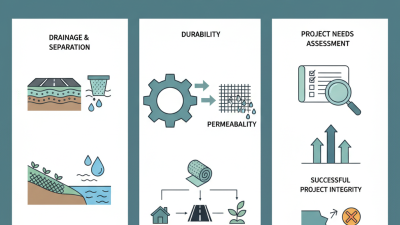
Recommended procurement weighting based on practical geotextile sourcing priorities. The framework focuses on measurable quality, documentation, delivery reliability, cost, and sustainability rather than company or brand names.
Quality compliance should receive the highest weight because non woven geotextiles are commonly evaluated through properties such as mass per unit area, tensile strength, elongation, puncture resistance, and water permeability. Always verify test reports, production consistency, lead-time records, and applicable project specifications before making a purchasing decision.
Key Manufacturing Standards and Quality Control Practices
China Best Non Woven Geotextile Supplier?
A reliable supplier should prove quality through controlled manufacturing, not attractive samples alone. ISO 10318 defines geosynthetic terminology, while ISO 9001 supports documented production procedures and corrective actions. These systems matter when polypropylene fibers pass through carding, needle punching, and heat setting.
The numbers must remain consistent.
A 2024 global geosynthetics market report estimates continued growth in infrastructure demand, especially for drainage and soil separation projects. This growth increases pressure on suppliers to maintain stable mass per unit area, thickness, tensile strength, and puncture resistance. Quality teams should test mass and thickness by production lot. ASTM D4595 can assess tensile behavior, while ASTM D4833 measures puncture resistance. ASTM D4751 helps verify apparent opening size for filtration applications.
On-site experience exposes weak controls quickly. Rolls should receive identification labels, sealed packaging, and moisture protection. Inspectors can compare fabric appearance, needle marks, edge trimming, and roll length against inspection records. A practical supplier also keeps retained samples for traceability. That supports investigation when a project reports clogging or tearing.
Yet no certificate replaces independent verification. Sampling plans based on ISO 2859-1 can reduce inconsistent acceptance decisions, but sampling remains limited. A missed defect is still possible. Suppliers should review failed tests openly, rather than quietly adjusting records. This imperfect step often reveals machine wear, uneven fiber blending, or calibration gaps before installation.
Types, Specifications, and Applications of Chinese Geotextiles
China Best Non Woven Geotextile Supplier?
Types, Specifications, and Applications of Chinese Geotextiles
Chinese non-woven geotextiles are commonly produced from polypropylene or polyester fibers. Needle-punched structures create flexible fabrics with connected pores. Staple-fiber products suit many drainage and separation projects. Continuous-filament products often provide stronger uniformity. Typical weights range from 100 to 800 grams per square meter. However, weight alone proves little. Tensile strength, elongation, puncture resistance, apparent opening size, and permeability should be checked together. Ask for tested values, not attractive catalog language.
For road construction, geotextiles separate clay subgrade from crushed stone. They reduce pumping during repeated truck loading. Around retaining walls, they filter water while holding soil particles. Engineers also use them in landfills, reservoirs, railways, and coastal works. A high-permeability fabric may drain quickly but allow unwanted fines through. A tighter fabric may filter better and clog sooner. Small details matter. Soil grading and hydraulic pressure must guide selection. Reliable suppliers should provide factory records, production traceability, and independent laboratory reports based on recognized ASTM or ISO methods.
During installation, sharp aggregate, careless seams, and ultraviolet exposure can damage certified material. Field teams should inspect rolls, overlap lengths, and seam quality before covering the fabric. In practice, specifications sometimes look stronger than site performance. Not always. That gap deserves honest review. Request samples, compare test methods, and confirm performance under actual temperature and loading conditions. The best supplier is not simply the cheapest or largest. It is the one that explains limitations clearly and maintains consistent quality.
How to Select the Best Supplier for Your Project Needs
China Best Non Woven Geotextile Supplier?
Selecting the right supplier starts with your project conditions, not a catchy sales claim. Check soil type, drainage needs, tensile strength, puncture resistance, and required roll sizes. A highway foundation may need a different non woven geotextile than a garden pond. Request technical datasheets and independent test reports. Confirm test standards, sampling methods, and production dates. Details matter.
Tips: Ask for a physical sample. Bend it, inspect its fiber uniformity, and compare the stated weight with a measured result. Visit the factory remotely or in person. Review raw material control, needle-punching equipment, laboratory records, and packaging quality. Also check whether the supplier can maintain stable specifications across repeated orders. One attractive sample proves little.
Reliable communication is equally important. Ask how the supplier handles damaged rolls, delayed shipments, and test failures. Written answers reveal more than polished brochures. Confirm export documents, loading methods, lead times, and after-sales responsibilities before signing. I would not choose the lowest quotation automatically; cheaper material can create expensive drainage or separation failures. Still, a higher price is not proof of better quality. Recheck the evidence, and leave room to question your first decision.