How to Build a Proper Drainage Channel for Optimal Water Management?
Effective water management is crucial for both agricultural and urban settings. A well-designed drainage channel can significantly improve water flow and prevent flooding. However, many fail to consider the importance of precise planning in these systems.
Designing a drainage channel requires careful thought. It must accommodate varying rainfall patterns and soil types. Miscalculations can lead to inadequate drainage, causing overflowing and erosion. Many overlook maintenance, which is vital for long-term functionality.
The materials chosen for a drainage channel also matter. Using the right types can enhance durability and efficiency. While it seems straightforward, each project presents unique challenges. A successful drainage channel balances functionality with the surrounding environment. Reflecting on these aspects is essential for optimal water management.
Understanding the Importance of Proper Drainage Channels in Water Management
Proper drainage channels play a crucial role in effective water management. They help control water flow, prevent flooding, and protect the environment. Without them, stormwater can lead to soil erosion and damage ecosystems. A well-designed channel directs runoff away, safely managing excess water and reducing risks.
Constructing an effective drainage channel involves several factors. It's essential to assess the land's slope and soil type. Sometimes, drainage systems aren't deep enough. This can lead to overflow and pooling. Also, vegetation can interfere with flow. Regular maintenance ensures that channels remain clear and functional. Ignoring blockages may lead to unexpected issues.
Moreover, it's important to consider local wildlife. Improper channels may disrupt habitats. Striking a balance between human needs and nature can be challenging. Designing a channel with wildlife in mind is often overlooked. Reflecting on these aspects can lead to better water management practices that benefit everyone.
Drainage Efficiency by Channel Type
This bar chart illustrates the efficiency percentages of various drainage channel types, emphasizing the importance of selecting the right drainage system to optimize water management.
Key Factors to Consider When Designing a Drainage Channel
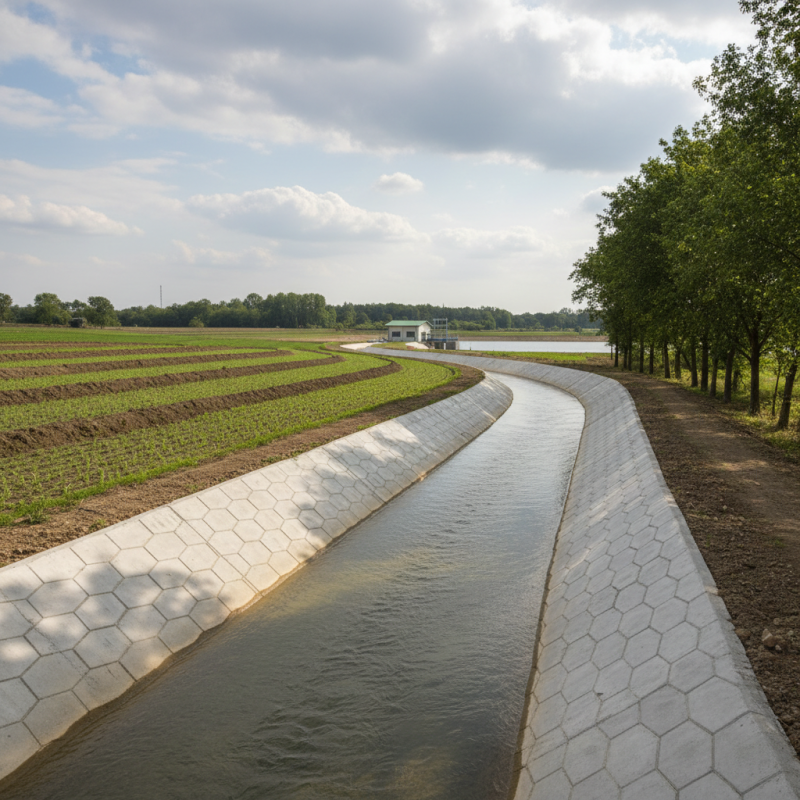
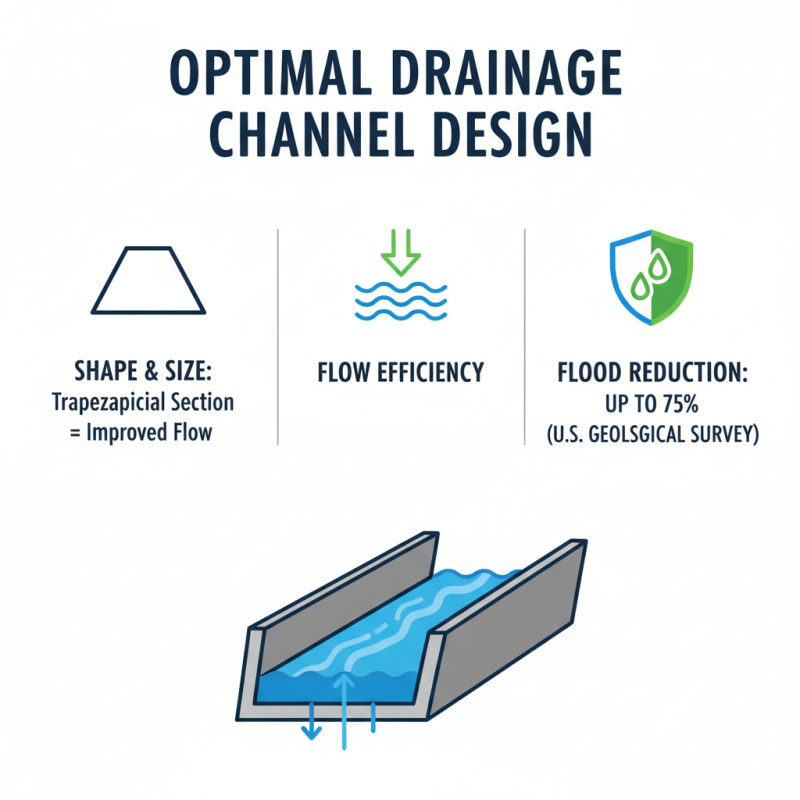
When designing a drainage channel, several key factors must be considered for optimal performance. The channel's shape and size are critical. For instance, a trapezoidal section may improve flow efficiency. According to the U.S. Geological Survey, properly sized channels can reduce flooding risks by up to 75%.
Tip: Assess the soil type before designing. Clay soils can restrict flow, while sandy soils promote drainage.
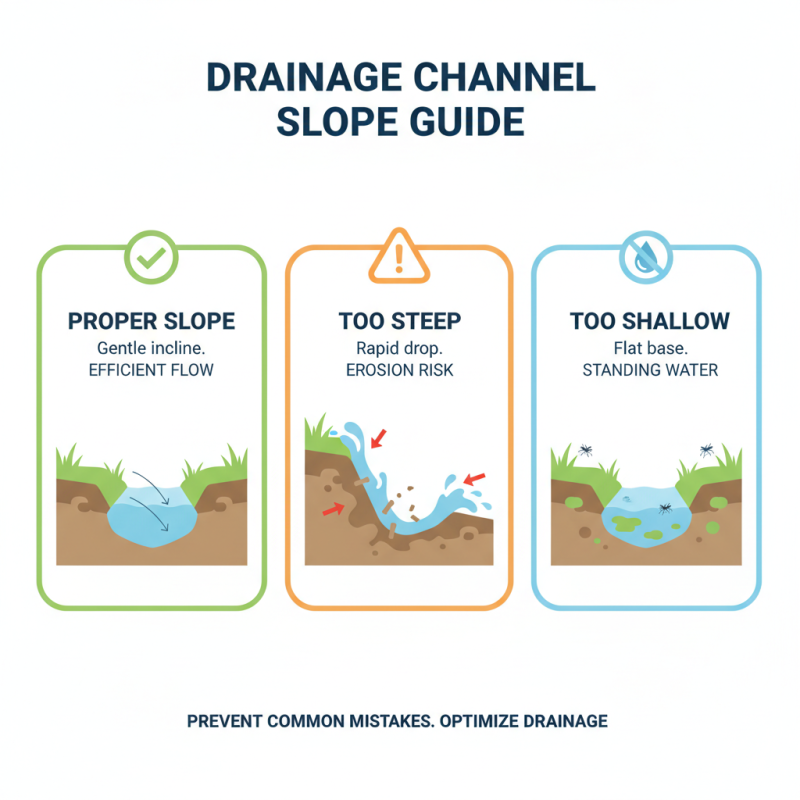
The slope of the channel affects water flow speed, impacting erosion. A 1% to 2% slope is often ideal. Too steep can lead to excessive erosion, while too gentle may cause stagnation.
Tip: Monitor local rainfall patterns and historical data. This information is vital for accurate channel capacity decisions. Remember, poorly designed channels can exacerbate flooding rather than alleviate it. This aspect requires continuous evaluation.
Also, vegetation can stabilize the channel banks. Consider native plants to enhance ecological balance. It’s not always easy to integrate nature with engineering, but striving for that balance leads to better outcomes.
Step-by-Step Guide to Constructing an Effective Drainage Channel
Constructing an effective drainage channel requires careful planning and execution. Begin by assessing the area’s topography. Identify low points where water accumulates. Mark the intended path of the channel. Each segment should slope gently to facilitate water flow.
Tips: Use stakes and string to outline the channel. This visual aid helps maintain the correct slope. Digging can be labor-intensive. Remember to take breaks to prevent fatigue.
When you start digging, aim for a width of about two feet. Depth can vary, but six inches is typical. Ensure the bottom is level and free of debris. Adding gravel at the base can improve drainage. Remember to periodically check that the slope is consistent.
Tips: Regular maintenance is essential. Monitor the channel for erosion or blockages. Adjustments may be necessary over time. Don't ignore any signs of standing water. Reflection on your design can lead to improvements.
Maintenance Practices for Ensuring Long-Term Drainage Channel Functionality
Maintaining a drainage channel is essential for optimal water management. Neglecting maintenance can lead to blockages and flooding. The American Society of Civil Engineers reports that poor drainage contributes to 80% of urban flooding. Regular checks and cleaning can prevent this issue.
Tips: Schedule inspections every six months. Check for debris buildup, vegetation overgrowth, or any structural damage. Small issues can develop into significant problems if not addressed on time.
Regular maintenance includes clearing debris from the channel. Leaves, soil, and trash can obstruct water flow. The Environmental Protection Agency suggests that a well-maintained channel can reduce runoff by 50%. This not only protects properties but also maintains local ecosystems.
Tips: Invest in proper tools for channel maintenance. A simple rake and shovel can go a long way. Also, consider using natural barriers to prevent erosion.
Reflect on your successes and failures in maintenance. Perhaps you skipped a seasonal check last year. Were there any consequences? Learning from past mistakes is vital for improving your approach. Small adjustments can lead to significant long-term benefits.
How to Build a Proper Drainage Channel for Optimal Water Management? - Maintenance Practices for Ensuring Long-Term Drainage Channel Functionality
| Maintenance Practice |
Frequency |
Importance Level |
Recommended Tools |
| Regular Inspection |
Monthly |
High |
Inspection Camera, Measuring Tape |
| Debris Removal |
Bi-Weekly |
High |
Rake, Gloves, Wheelbarrow |
| Erosion Control |
Annually |
Medium |
Soil Stabilization Mats, Geo-Textiles |
| Sediment Removal |
Semi-Annually |
High |
Excavator, Shovel |
| Structural Repairs |
As Needed |
Critical |
Concrete, Repair Kits |
Common Mistakes to Avoid in Drainage Channel Construction and Design
When constructing a drainage channel, avoiding common mistakes is crucial. Many people underestimate the importance of proper slope. A gentle slope ensures water flows efficiently. If the slope is too steep, erosion may occur. If it’s too shallow, standing water can become a problem.
It’s essential to consider the materials used in the construction. Using inadequate materials can lead to failures down the line. For example, some may choose gravel that is too fine. This can clog the channel over time. Instead, opting for coarser materials helps maintain flow and reduces maintenance needs.
Tip: Regular maintenance is vital for any drainage channel. Inspecting the channel monthly can prevent major blockage issues. Remove debris, leaves, or anything that can hinder water flow.
Another frequent error is ignoring local vegetation. Roots from plants can invade drainage channels. This leads to blockages and damage. It’s wise to plan your landscape while keeping drainage needs in mind.
Tip: Always check local regulations before starting your project. You may need permits or inspections. Not doing so can lead to costly consequences. Building a drainage channel takes effort, but avoiding these mistakes will lead to success.