2026 Best EVA Machine for Global Buyers?
Choosing the 2026 Best EVA Machine for Global Buyers requires more than comparing prices and production speed. “EVA Machine” can mean different equipment, including foam molding, sheet extrusion, injection, laminating, or solar encapsulation systems. Each application demands a different balance of temperature control, pressure stability, cycle time, and material efficiency.
Industry data shows why this decision matters. The IEA Photovoltaic Power Systems Programme reported that global photovoltaic capacity reached approximately 1.6 terawatts by the end of 2023. EVA encapsulants remain widely used in solar module production, although newer materials are gaining attention. Meanwhile, market analyses from Grand View Research and Research and Markets continue to identify expanding demand for EVA-based products in footwear, packaging, automotive components, and flexible materials. These reports suggest opportunity, but they do not identify one universal machine.
A reliable comparison must examine actual factory conditions. A 300-ton hydraulic press may suit dense footwear soles, while continuous extrusion is better for long sheets. Small temperature deviations can create visible bubbles, uneven edges, or weak bonding. Energy consumption, mold-change time, spare-parts access, operator training, and remote technical support also affect the real purchase cost. Safety should be verified against recognized frameworks such as ISO 12100 and IEC 60204-1, where applicable.
There is no perfect machine.
This guide compares leading options through measurable performance, supplier experience, maintenance records, and buyer feedback. Some conclusions may remain provisional, because supplier claims are not always independently tested. Global buyers should request sample production, inspection records, and total-cost estimates before signing. Availability is not the same as suitability.
What Is an EVA Machine and How Does It Work?
2026 Best EVA Machine for Global Buyers?
An EVA machine processes ethylene-vinyl acetate into lightweight, flexible products. Common outputs include shoe soles, protective sheets, mats, and molded components. The process begins with measured EVA pellets and selected additives. A mixing unit blends these materials evenly. Heat then softens the compound before molding begins. Depending on the machine design, the material enters a mold through injection or compression. Pressure fills the cavity and shapes the product. Cooling stabilizes its size and surface. Some systems also control foaming, creating tiny cells that reduce weight and improve cushioning. The details matter.
In practical factory evaluations, buyers should inspect temperature stability, pressure control, mold alignment, and cycle consistency. A machine may produce an attractive sample, yet fail during continuous production. That is easy to overlook. Check power requirements, cooling capacity, spare-part access, and operator training needs. Production speed alone cannot define the best EVA machine for global buyers. A reliable model should match the compound, product size, mold design, and local electrical conditions. Test several cycles, measure dimensions, and examine edges for flash or incomplete filling. Results can vary.
Tips: Request a material trial before purchase. Record cycle time and energy use. Confirm whether technicians can understand the controls. Ask for maintenance schedules and documented safety procedures. Keep a small sample from each trial batch. It helps reveal gradual quality changes. Also, reconsider optimistic output figures. Real factories rarely run at perfect efficiency.
2026 Best EVA Machine for Global Buyers? — What Is an EVA Machine and How Does It Work?
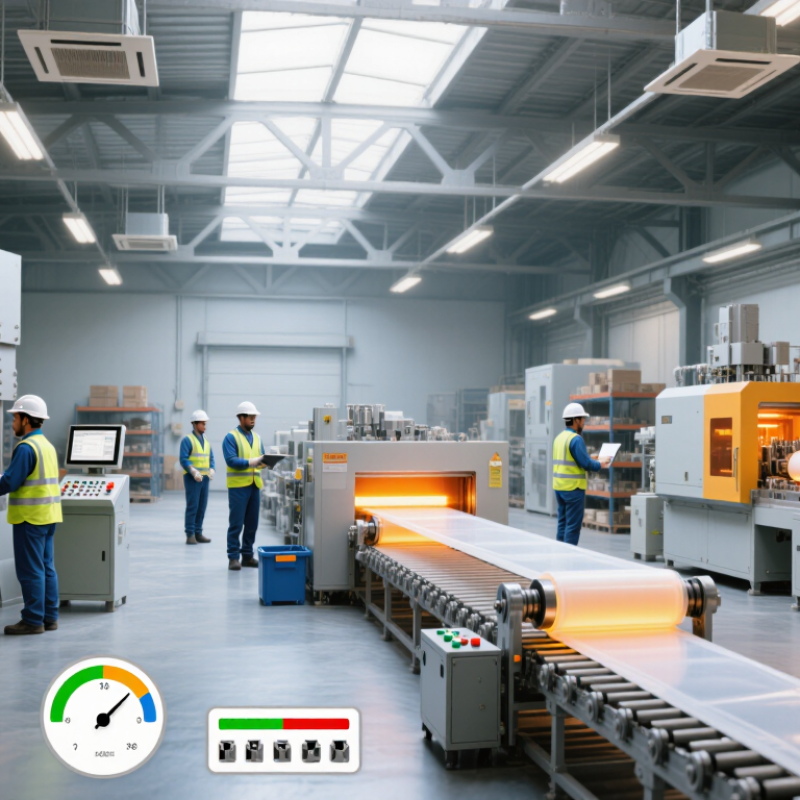
An EVA machine processes ethylene-vinyl acetate compounds into products such as footwear soles, sports mats, packaging materials, and protective components. The typical workflow includes material mixing, preheating, molding and cross-linking, followed by cooling and demolding.
The chart shows representative temperature ranges commonly used in EVA foam processing. Actual settings depend on vinyl acetate content, foaming-agent formulation, mold design, product density, and production speed. Cross-linking and foaming are commonly performed around 160–180°C, while cooling is controlled to stabilize dimensions before demolding.
How to Compare EVA Machine Performance and Production Capacity
2026 Best EVA Machine for Global Buyers?
How to Compare EVA Machine Performance and Production Capacity
Choosing an EVA machine requires more than reading its maximum output. Grand View Research estimated the global EVA foam market at over USD 4 billion in 2023, with continued growth expected through 2030. That demand makes stable production more valuable than impressive brochure figures. Check temperature uniformity, screw control, pressure stability, and cycle repeatability. Small variations can create uneven cells, weak edges, or visible density differences.
Capacity should be calculated from real production data. Use this formula:
hourly output × operating hours × yield rate
A machine rated at 300 kg per hour may produce less after material changes, mold cleaning, cooling delays, and rejected sheets. Ask for a trial using your EVA grade, target density, mold size, and operating temperature. Record actual kilograms per hour, power consumption, cycle time, and scrap percentage. Short tests can mislead.
Energy performance also deserves attention. The International Energy Agency’s Energy Efficiency 2023 report identifies industrial efficiency as a major route for reducing operating costs and emissions. Compare installed power with verified output, not motor size alone. Request 24-hour production records and maintenance histories. ASTM D3575 testing can help assess cellular material consistency, but it cannot replace an on-site trial. Reports often use different market definitions. That is easy to miss. The best machine is therefore the one that maintains acceptable quality at your real production speed, not the one with the highest advertised capacity.
Essential Features for Global Buyers to Evaluate
2026 Best EVA Machine for Global Buyers?
Essential Features for Global Buyers to Evaluate
Choosing an EVA machine requires more than comparing output numbers. Buyers should examine heating accuracy, forming pressure, cycle time, and material compatibility. A stable temperature system helps prevent uneven density, surface marks, and wasted foam. Ask for test samples using your actual EVA material. Catalog results may not reflect real production conditions.
Electrical compatibility matters across markets. Confirm voltage, frequency, plug configuration, and control-system language before ordering. Safety guards, emergency stops, pressure protection, and clear operating instructions should be standard. Request technical drawings, installation requirements, and a complete spare-parts list. These details can prevent costly delays after delivery.
I have found that maintenance access often receives too little attention. Operators need reachable heaters, sensors, valves, and lubrication points. Remote support is useful, but local training may be more reliable. Check response times, warranty limits, and the availability of replacement components. Independent inspection and a documented factory acceptance test can strengthen purchasing decisions. Still, no checklist removes every risk. A machine may perform well during testing yet struggle with unfamiliar operators or humid conditions. Allow time for commissioning, staff practice, and process adjustment. Small oversights matter.