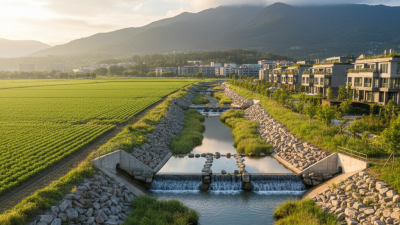
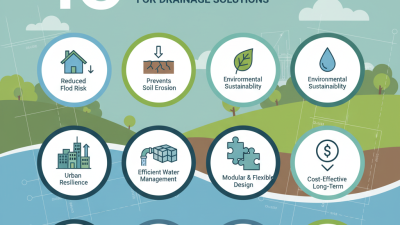
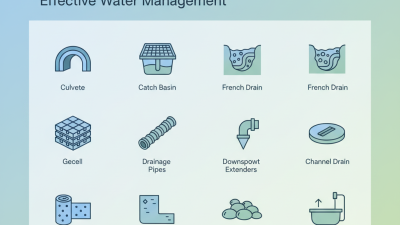
Exploring the Best Drainage Channel Solutions in China for Effective Water Management?
Effective water management is a critical issue in China, where rapid urbanization often leads to flooding and waterlogging. One key element in addressing this challenge is the construction and maintenance of effective drainage channels. These infrastructures are designed to efficiently manage rainfall and runoff. However, not all drainage channel solutions are equally effective or suitable for every environment.
China has made notable advancements in drainage channel technology. Various materials and designs have emerged, each with its unique benefits. Some cities adopt green drainage practices, integrating vegetation to enhance water absorption. Others focus on innovative engineering techniques to optimize flow. Despite these advancements, challenges remain. Aging infrastructure and inadequate maintenance can undermine their effectiveness.
To truly address water management issues, a deeper understanding of drainage channel systems is essential. This entails evaluating existing solutions while exploring new methods to enhance functionality. Launching pilot projects in diverse regions might reveal valuable insights. Such initiatives can highlight successes and stumbling blocks in implementing drainage channels, ultimately guiding future efforts toward effective water management.
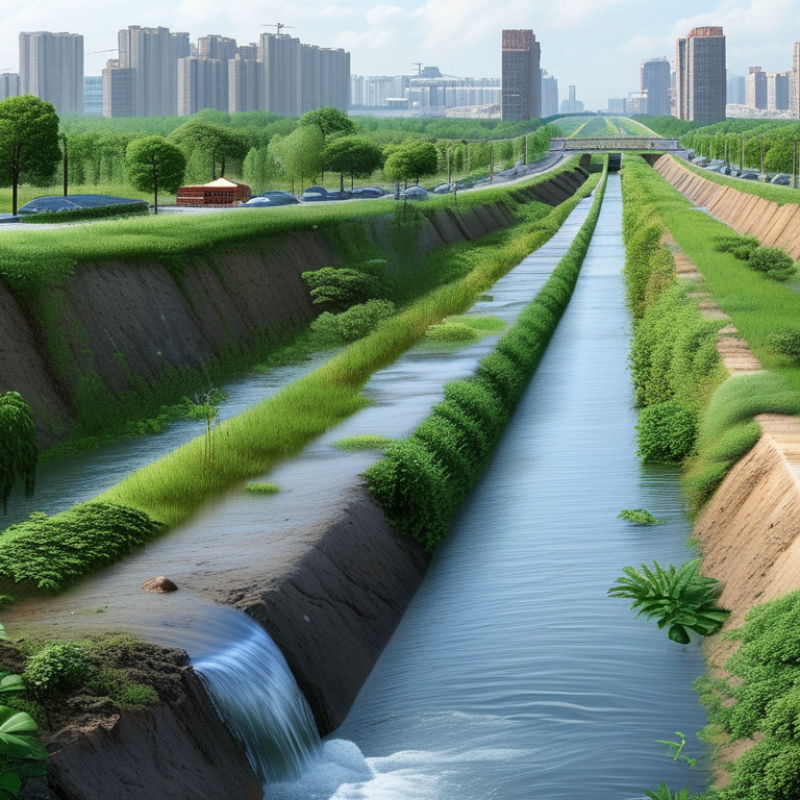
Understanding Drainage Channels: Importance in Effective Water Management
Drainage channels play a vital role in effective water management. They help mitigate flooding, improve agricultural productivity, and enhance water quality.
According to recent reports, more than 70% of urban areas in China face drainage challenges. Poor drainage systems can lead to significant economic losses. Inadequate water management costs cities an estimated $30 billion annually.
In rural areas, effective drainage channels are essential for sustaining agriculture. They help prevent soil erosion and manage excess water. Studies indicate that optimized drainage solutions can increase crop yields by up to 20%. Despite these benefits, many localities struggle with outdated systems. These systems often do not meet current environmental standards.
The need for innovative and sustainable drainage solutions cannot be overstated. Numerous projects are underway, yet challenges persist. For instance, some channels become clogged with debris, undermining their effectiveness. Regular maintenance often falls short. Local governments need to prioritize funding and expertise in this area. Investing in research and technology could lead to more efficient designs tailored to local conditions. Addressing these gaps is crucial for improving water management practices.
Types of Drainage Channels Used in China for Various Environments
In China, various drainage channel types address diverse environmental needs. Traditional open ditches are common in rural areas. They allow excess rainwater to evaporate while providing habitats for local flora and fauna. However, these channels often suffer from sediment buildup, requiring regular maintenance.
In urban settings, rectangular concrete channels are prevalent. These are designed for high water flow and reduce flooding risks. While efficient, they can disrupt natural water ecosystems. Sustainable designs, like bio-swales, integrate vegetation to filter pollutants. However, they demand careful planning and community involvement to ensure effectiveness.
Moreover, the choice of materials in construction impacts longevity. Steel and concrete are typical, yet they contribute to heat retention. Alternatives like permeable paving show promise but require thorough testing in various climates. It’s essential to balance utility and ecological impact when selecting drainage solutions.
Key Factors Influencing the Design of Efficient Drainage Solutions
Designing efficient drainage solutions requires careful consideration of various factors. Topography is crucial. In uneven areas, channels need to accommodate natural slopes. This adaptability prevents water pooling and reduces erosion risks.
Soil type also plays a significant role. Sandy soils drain quickly, while clay retains water. Understanding these characteristics aids in choosing appropriate materials and construction methods. Engineers often conduct tests to determine soil properties before finalizing designs.
Climate is another influential aspect. Regions with heavy rainfall need robust drainage systems. Adjustable solutions help manage varying flow rates. Local weather patterns often create unique challenges, compelling continuous improvements in drainage design practices.
Exploring the Best Drainage Channel Solutions in China for Effective Water Management
Innovative Technologies in Drainage Channel Construction and Maintenance
Innovative technologies in drainage channel construction are reshaping water management in China. Smart materials are gaining popularity. These materials adapt to environmental conditions, reducing maintenance needs. For instance, self-healing concrete can automatically repair small cracks. This feature extends the lifespan of the infrastructure significantly. Such advancements offer exciting possibilities for urban planning and sustainability.
Another noteworthy trend is the integration of IoT devices. These devices monitor water flow and detect blockages in real time. By utilizing data analytics, cities can respond swiftly to flooding risks. However, relying too much on technology can lead to oversight of basic maintenance. Regular inspections should not be neglected.
Finally, the construction methods are evolving as well. 3D printing is slowly entering drainage systems. This approach can reduce waste and labor costs. However, it raises questions about long-term durability. The effectiveness of these new methods requires careful analysis and feedback. Continuous improvement is essential to ensure reliable water management solutions.
Case Studies: Successful Drainage Channel Projects in China's Urban Areas
China's urban areas face significant challenges in water management, particularly concerning drainage systems. One notable case study is the city of Shanghai, where a network of modern drainage channels has been implemented. This system effectively reduces urban flooding, especially during heavy rainfall. Reports indicate that Shanghai's improved drainage has cut flood-related incidents by 30% in the past five years.
Beijing is another example of innovative drainage solutions. The city's investment in green infrastructure, such as permeable pavements and rain gardens, has enhanced water absorption. This approach not only addresses flooding but also improves urban aesthetics. Despite these advancements, challenges remain. Older areas still rely on outdated infrastructure. Continuous monitoring and upgrades are essential to sustain improvements.
However, the effectiveness of drainage channels can vary widely. Local climates and urban designs influence outcomes. Some urban regions still struggle with inefficient water management practices. Collectively, these case studies underscore the necessity for ongoing research and adaptation in drainage solutions. The blend of traditional and modern designs may hold the key to overcoming urban water challenges in China.