Pease Pottage 01403 275 276
Petersfield 01730 777 350
Maidstone 01795 843 866
Cullompton 01884 211 788

What Are the 2026 Best Soakaway Crates to Buy?

Choosing the best soakaway crates in 2026 requires more than comparing price, storage volume, or recycled content. Local rainfall, soil permeability, groundwater levels, and loading conditions can change the correct specification. The European Environment Agency’s European Climate Risk Assessment (2024) warns that intense rainfall risks are increasing across Europe. That trend makes dependable surface-water management increasingly important.

Professional guidance remains essential. CIRIA C753, The SuDS Manual, recommends assessing infiltration, exceedance routes, maintenance access, and pollution risks before installation. BS 8582 also supports careful planning for surface-water drainage systems. These documents do not identify one universally “best” crate. They provide the framework for judging performance. A strong product should offer tested structural strength, reliable connection details, clear installation instructions, and accessible inspection points. It should also suit the expected traffic load, from a garden path to a commercial car park.

Real projects reveal small details that product pages often overlook. A crate beneath a driveway needs stable bedding, correct geotextile placement, and enough cover depth. Poorly compacted stone can create movement later. Blocked inspection risers can make maintenance frustrating. No product is perfect. I would not treat a high storage ratio as proof of superior value. The best soakaway crates balance hydraulic capacity, long-term stability, installation practicality, and verified technical evidence. This guide compares those factors for 2026, while recognising that site testing and qualified drainage advice remain necessary. Practical judgment still matters.
What Are the 2026 Best Soakaway Crates to Buy?

What Are Soakaway Crates and How Do They Manage Stormwater?

Soakaway crates are hollow, stackable modules installed below ground to manage rainwater. They receive runoff from roofs, driveways, and paved areas through a filtered inlet. Their open structure stores water temporarily, then releases it into surrounding soil. This reduces sudden flows toward drains, streams, and low points after heavy rain. A simple idea.

In practical drainage design, performance depends heavily on soil and site conditions. Permeable ground can accept water gradually, while dense clay may slow infiltration dramatically. The chamber usually sits inside a durable geotextile wrap, which limits soil entering the storage voids. A silt trap or inspection chamber should capture leaves, grit, and roof debris. Without maintenance, voids clog. Engineers also check groundwater levels, burial depth, traffic loads, connection levels, and emergency overflow routes. Crates beneath a garden need different protection from those below a parking area.

When comparing the best soakaway crates for 2026, storage volume should not be the only concern. Check verified load ratings, compressive strength, installation guidance, and inspection access. A larger unit is not automatically better. Oversizing can waste excavation space and materials, while undersizing may cause surface flooding. I would question optimistic infiltration figures, especially after prolonged rainfall. Soil can become saturated, changing actual performance. A qualified drainage professional can match the crate layout to local ground conditions and expected runoff. That assessment may reveal that crates are unsuitable for the site.

What Are the 2026 Best Soakaway Crates to Buy?

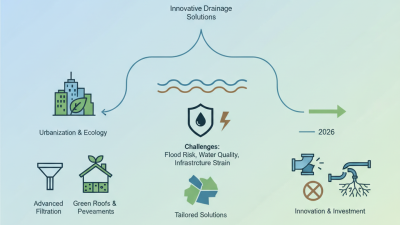
Soakaway crates are underground modular units that temporarily store rainwater and release it gradually into surrounding soil. The chart compares representative crate specifications by storage efficiency and usable water capacity. Values are generic engineering examples rather than brand-specific data.

How to read the chart: Usable storage is calculated from nominal crate volume multiplied by the void ratio. A higher void ratio generally provides more stormwater storage in the same excavation space, while the required load rating depends on whether the installation is beneath landscaping, driveways, or trafficked areas.

Which Features Define the Best Soakaway Crates for 2026?

The best soakaway crates for 2026 should manage stormwater efficiently without creating difficult maintenance problems.
In site inspections, I look first at structural strength, storage volume, and installation flexibility. A high void ratio stores more water within a smaller excavation. However, published figures need careful checking. Some calculations exclude connectors or protective layers.

Material quality also matters. Strong recycled plastic can resist soil pressure, vehicle loads, and repeated wetting. Look for clear load ratings, test evidence, and guidance for different burial depths.

Crates should connect securely, with no sharp edges that could damage surrounding geotextile. Modular units are useful on irregular plots. They reduce cutting and limit unnecessary excavation.

Maintenance access is often overlooked. Include inspection points that reach the crate chamber, not merely the surface cover. Sediment can collect near the inlet, especially beside driveways or construction areas. A removable silt trap makes cleaning more practical. It is not glamorous.

Good design depends on local ground conditions. A percolation test should confirm that surrounding soil can absorb discharged water. High groundwater, clay soil, or nearby foundations may require a different drainage approach. I would also check rainfall data, inlet pipe size, and the expected surface area before selecting capacity.

Manufacturer instructions and independently verified test results deserve more trust than attractive product claims. Even experienced installers can underestimate excavation depth or forget temporary erosion protection. That mistake can become expensive after the first severe storm.

How to Compare Soakaway Crate Capacity, Strength, and Durability

What Are the 2026 Best Soakaway Crates to Buy?

Comparing soakaway crates starts with usable capacity, not the advertised volume alone. Check the internal void ratio and calculate how much stormwater the installed system can actually hold. A crate may look large, yet inspection chambers, connectors, and wrapping materials reduce its working space. Measure the excavation carefully. Small errors multiply across a large installation.

Strength matters beneath driveways and landscaped areas. Review the declared vertical load rating, installation depth, and required cover above the crates. Compression resistance should match the site, not merely the product brochure. A qualified drainage professional should verify traffic loads and ground conditions. I have seen designs fail when clay soil, poor bedding, or groundwater was ignored. Strong plastic cannot correct weak preparation.

Durability depends on more than a thick-looking wall. Look for tested resistance to soil pressure, freeze-thaw cycles, moisture, and chemical exposure. Recycled material can be suitable, but its quality and consistency require evidence. Ask for independent test results, installation instructions, and a clear service-life statement. Do not compare figures from different test methods. They may not be equal. My earlier comparisons focused too heavily on capacity, which was a mistake. Access for inspection and cleaning also deserves attention, especially where silt may enter. A dependable choice balances capacity, structural performance, long-term resilience, and realistic site conditions.

What Installation Conditions Suit Different Soakaway Crate Designs?

The best soakaway crate in 2026 depends on ground conditions, not marketing claims. A shallow, high-void crate suits gardens, driveways, and sites with limited excavation depth. However, deeper installations need stronger load-rated units and careful structural calculations. CIRIA C753, The SuDS Manual, stresses that infiltration design must reflect soil testing, groundwater levels, and long-term maintenance access.

Clay soils often drain slowly. Sandy gravel can infiltrate quickly, but it may need sediment control to prevent clogging. A soakage test should measure how fast water leaves the trial pit. Do not guess this part. The UK Environment Agency’s 2022 climate guidance allows peak rainfall increases of up to 40% in some future planning scenarios. Therefore, designers should check storage volume against local rainfall data, not only current averages.

Traffic changes everything. Under a driveway, crates require suitable load resistance, stable bedding, and adequate cover depth. Beneath landscaped areas, lighter designs may be practical and easier to inspect. Geotextile wrapping can limit soil migration, while a silt trap protects the crate’s void space. Poor installation remains a common weakness. One displaced connection or compacted trench can reduce performance sharply. I would also challenge the habit of choosing the largest crate available; larger is not automatically safer when groundwater sits close to the base. Regional standards and a qualified drainage assessment should guide the final selection.

How to Choose the Right Soakaway Crates for Your Project

What Are the 2026 Best Soakaway Crates to Buy?

How to Choose the Right Soakaway Crates for Your Project

The best soakaway crates in 2026 are not always the largest or cheapest. Choose units that match your soil, rainfall, drainage volume, and expected loading. Start with a site assessment. Clay soil may drain slowly, while sandy ground usually accepts water faster. A qualified drainage professional should confirm infiltration rates before installation.

Check the crate’s structural load rating, void ratio, dimensions, and connection method. Driveways need stronger protection than garden areas. Also, consider access for inspection and cleaning. Geotextile wrapping helps prevent surrounding soil from entering the storage chamber. However, poor excavation, weak joints, or incorrect bedding can still cause failure. A tidy product specification does not guarantee a tidy installation.

Tips: Measure the available space carefully. Calculate runoff from roofs and paved surfaces. Leave practical access for maintenance. Confirm local drainage requirements. Do not rely on appearance alone. Ask for independent test evidence and installation guidance. Comparing two suitable options on whole-life cost may reveal a better choice than selecting the lowest price. I would also review the design after heavy rain, because real site behaviour can expose assumptions that drawings miss.

What Are the 2026 Best Soakaway Crates to Buy? — How to Choose the Right Soakaway Crates for Your Project
Soakaway Crate Type Typical Module Size (L × W × H) Approx. External Volume Typical Void Ratio Approx. Water Storage per Module Recommended Project Use Traffic Suitability Key Selection Advantage
Standard medium-duty crate 1,200 × 600 × 400 mm 0.288 m³ Approximately 95% Approximately 274 litres Domestic driveways, gardens, patios and small commercial drainage systems Light to moderate loading Good balance between handling, storage capacity and installation flexibility
High-capacity modular crate 1,200 × 600 × 600 mm 0.432 m³ Approximately 95% Approximately 410 litres Larger residential developments, schools, landscaped areas and commercial sites Light to moderate loading Stores more water per unit and can reduce the number of horizontal joints
Low-profile crate 1,200 × 600 × 300 mm 0.216 m³ Approximately 95% Approximately 205 litres Sites with shallow excavation, restricted ground depth or a high groundwater table Light loading Useful where excavation depth is limited, subject to groundwater and soil assessment
Narrow access crate 1,000 × 500 × 400 mm 0.200 m³ Approximately 95% Approximately 190 litres Rear gardens, alleyways, extensions and projects where access is restricted Light to moderate loading Smaller footprint makes manual movement and phased installation easier
Heavy-duty traffic-rated system Commonly 1,200 × 600 × 400 mm 0.288 m³ Approximately 95% Approximately 274 litres Car parks, service yards, access roads and areas subject to regular vehicle loading Traffic loading Designed with stronger structural components and a suitable load-transfer surround
Inspection-access crate system Module size varies; often 1,200 × 600 × 400 mm Depends on module size Typically 95% or higher Depends on module size Large systems requiring inspection, maintenance and access for jetting equipment Project-specific Supports inspection channels, access shafts and maintainable drainage layouts
Geotextile-wrapped infiltration crate Commonly 1,200 × 600 × 400 mm 0.288 m³ Approximately 95% Approximately 274 litres Infiltration systems where surrounding soil can accept stored water Loading depends on design Allows water to infiltrate into the surrounding soil while reducing soil migration into the crate
Attenuation and controlled-discharge system Modular; commonly 1,200 × 600 × 400 mm Calculated from the full installation Typically 95% or higher Calculated from the full installation Sites where runoff must be temporarily stored and released through a flow-control device Project-specific Suitable for stormwater management where direct infiltration is unsuitable or restricted
Important specification notes: Water-storage figures are indicative calculations based on external module volume multiplied by the stated void ratio. Actual usable capacity depends on the crate design, connectors, geotextile or geomembrane arrangement, inspection components and installation tolerances. Vehicle-loading suitability must be confirmed from the manufacturer’s structural data and the project engineer’s design; it also depends on cover depth, bedding, surround, backfill and pavement construction. Before selecting a soakaway system, check soil infiltration rate, seasonal groundwater level, drainage regulations, required storage volume, maintenance access and separation distances from buildings and boundaries.